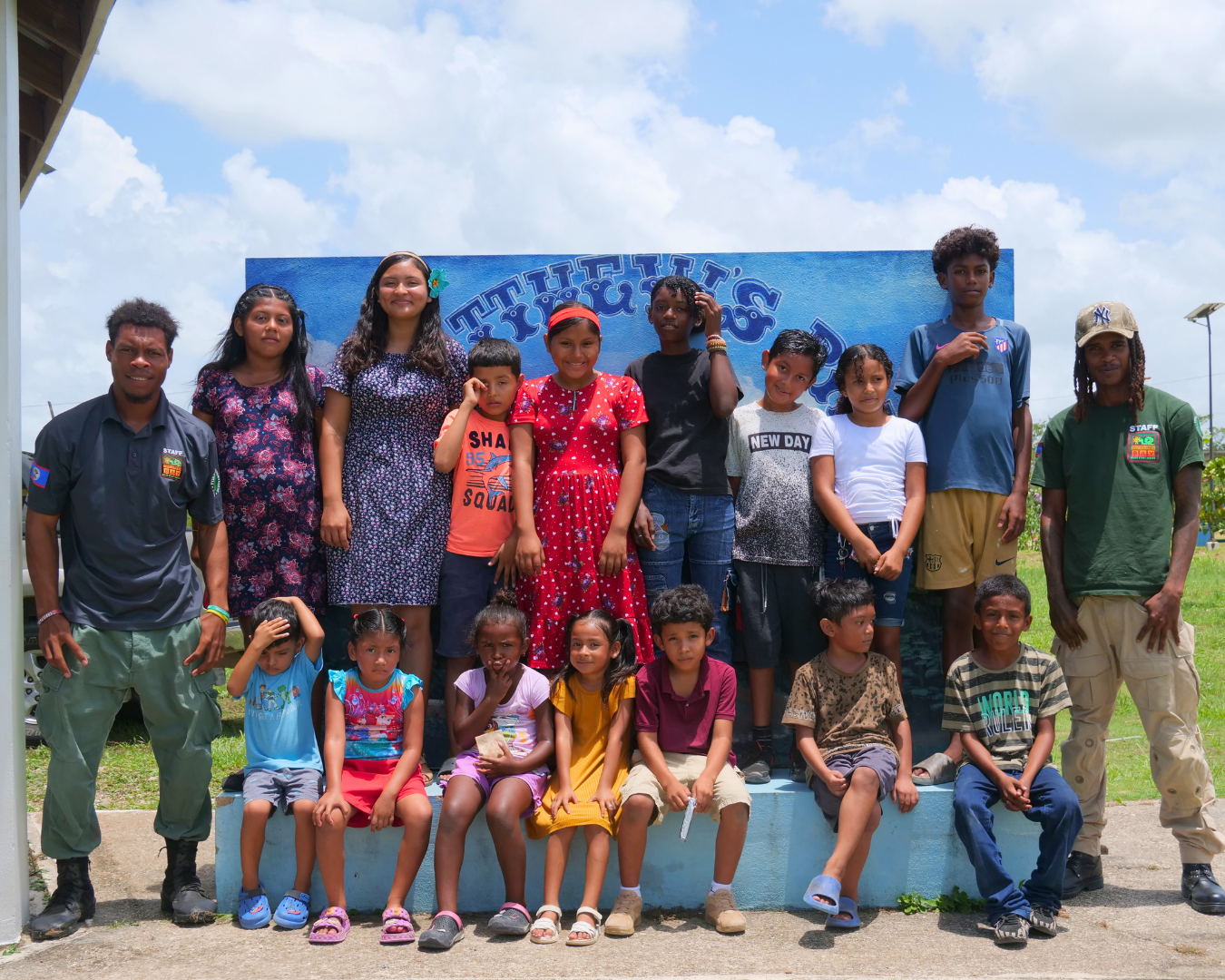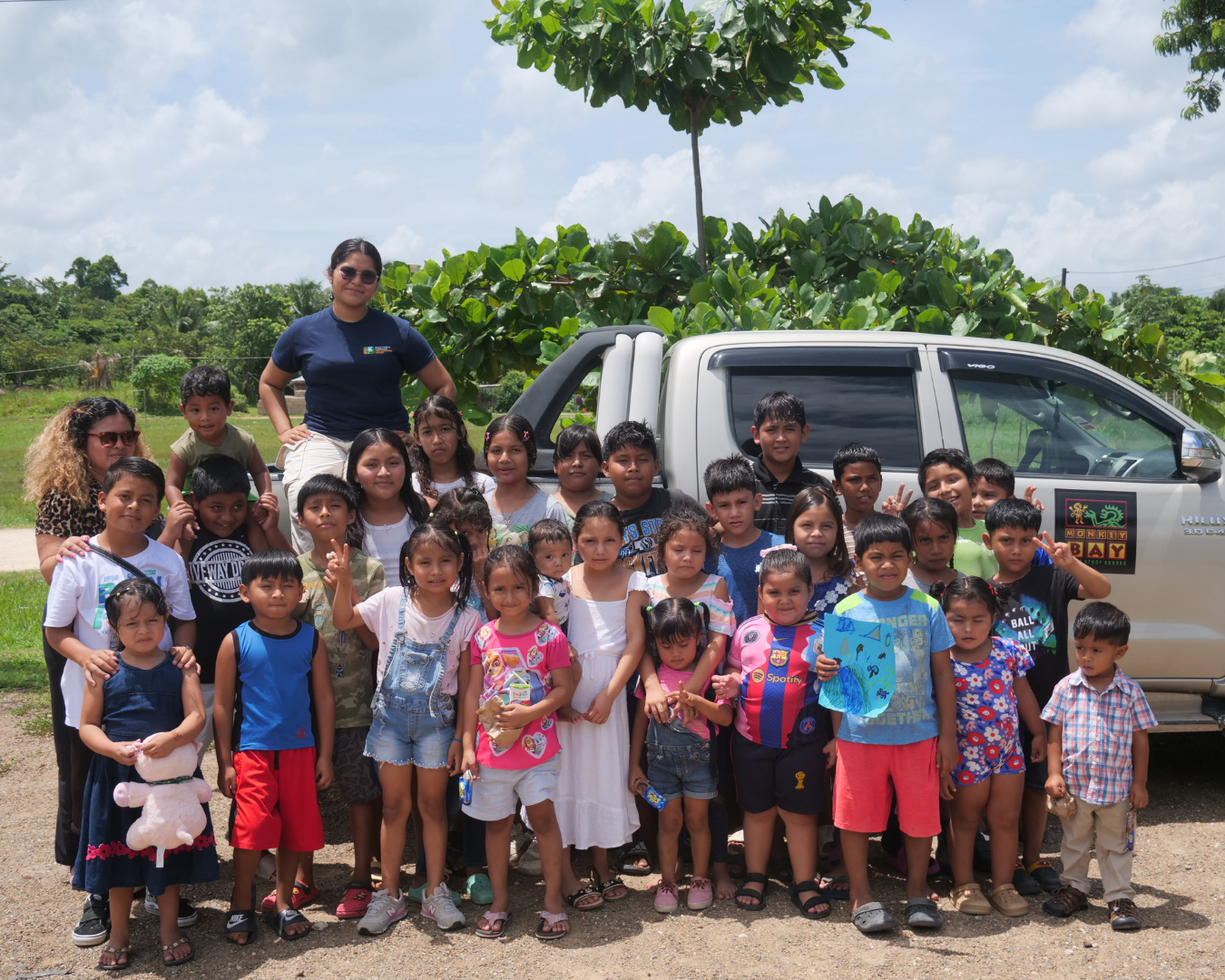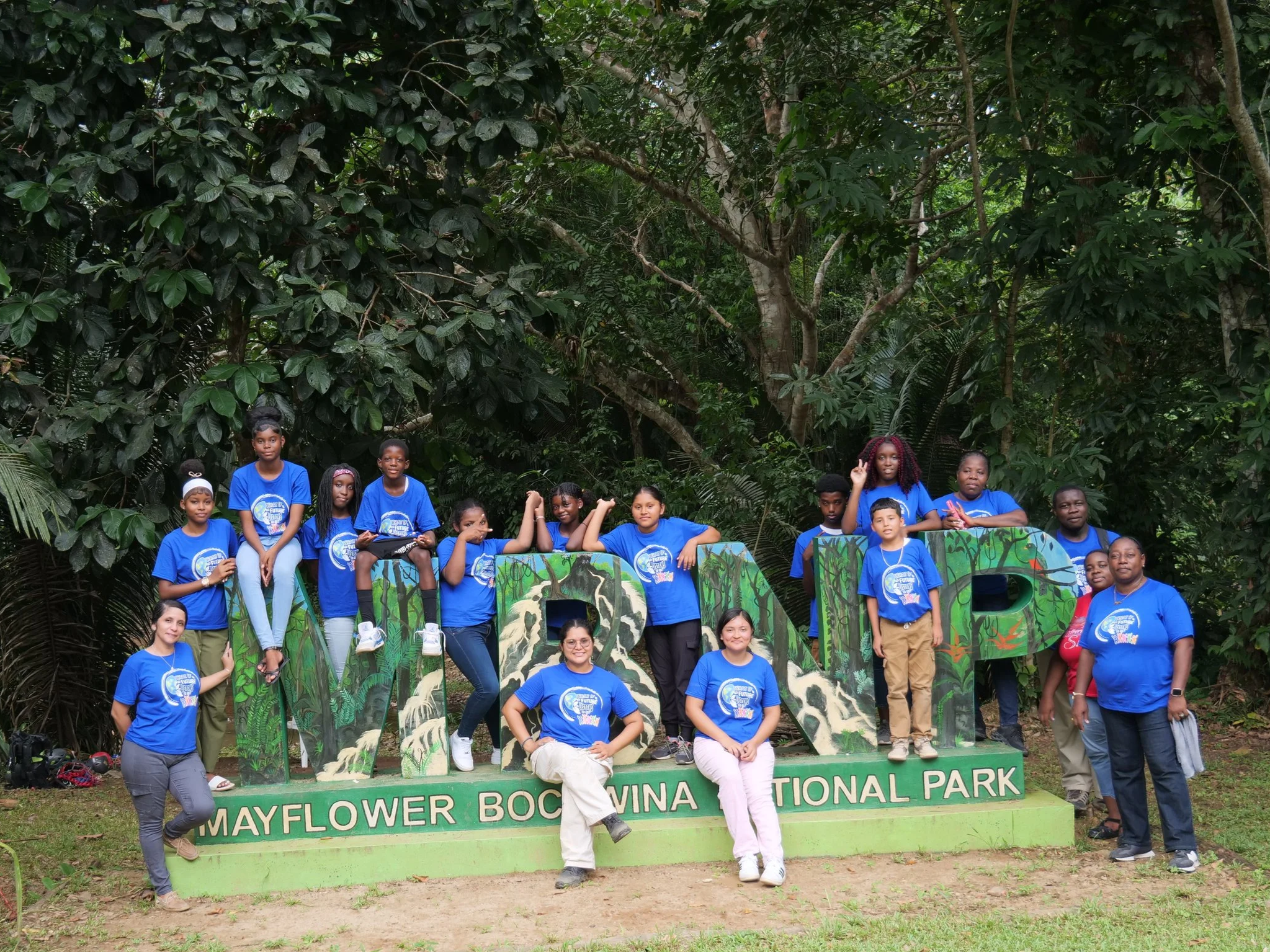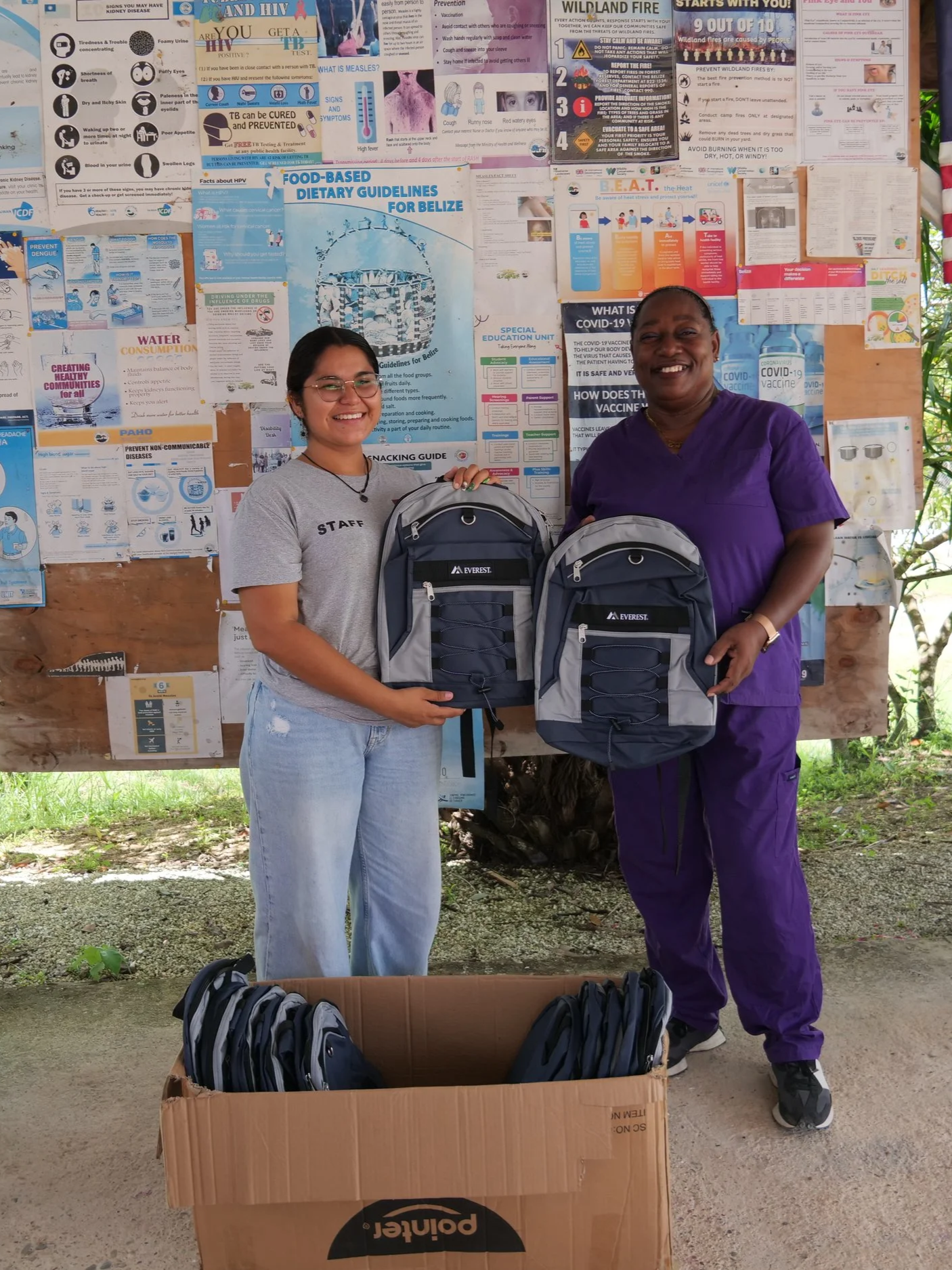
After a very busy summer program in August, we’ve taken a bit of a step back this month to start preparing events and activities for the coming months— including upgrading our facilities and getting ready for a busy tourism season ahead.
From the Sanctuary
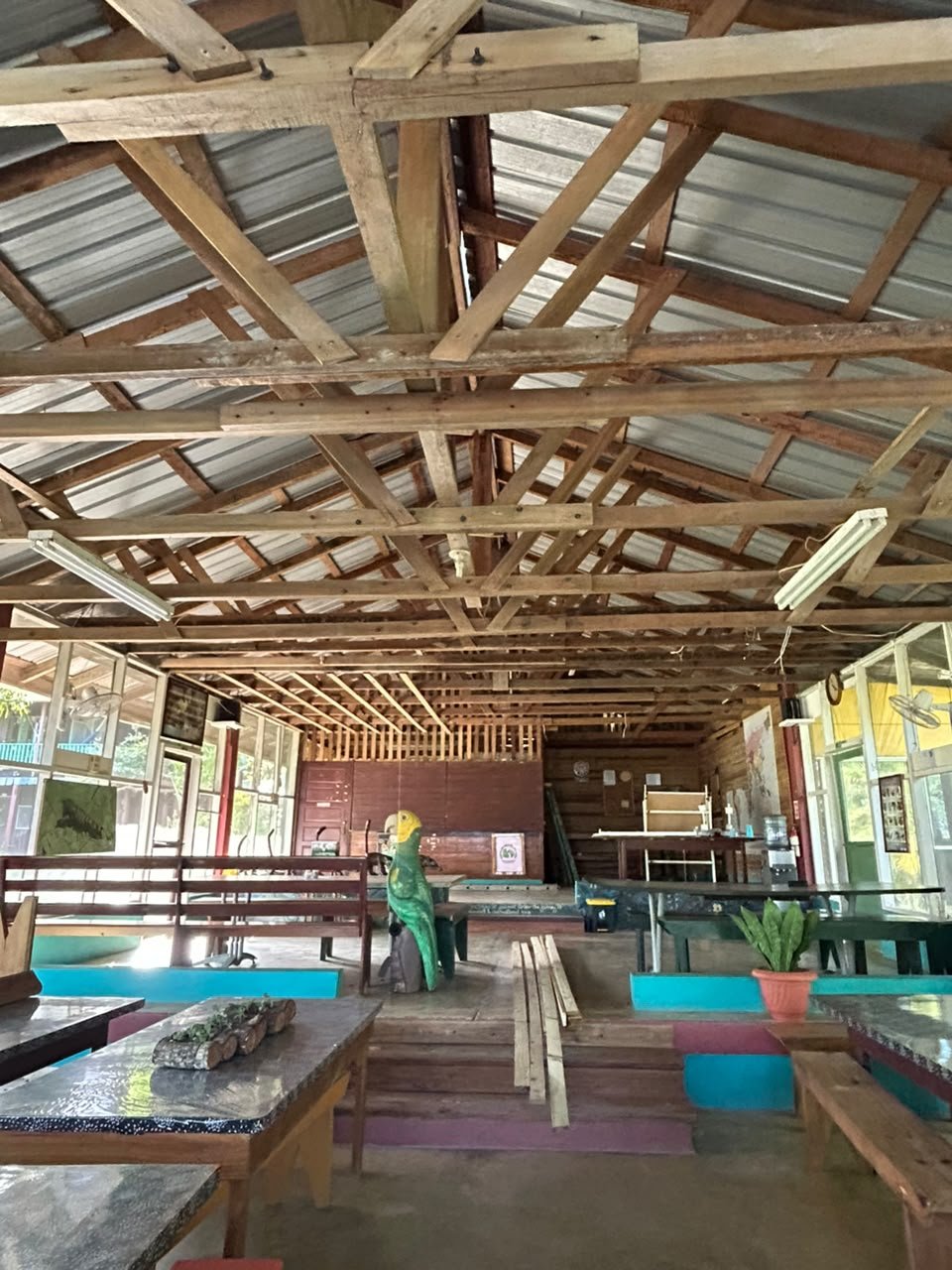
Everyone needs a little TLC every now and then—even the facilities that so many of our guests have come to consider their home away from home!
Our facilities crew has been hard at work giving our campus some much-needed attention, including replacing the ceiling over our dining area and expanding our water storage capacity. These improvements will help us better accommodate our guests while keeping our facilities comfortable and functional for years to come.
We’re looking forward to sharing the finished upgrades in the next few weeks. Until then, things might look a little rough around the edges—but that’s all part of a work in progress!
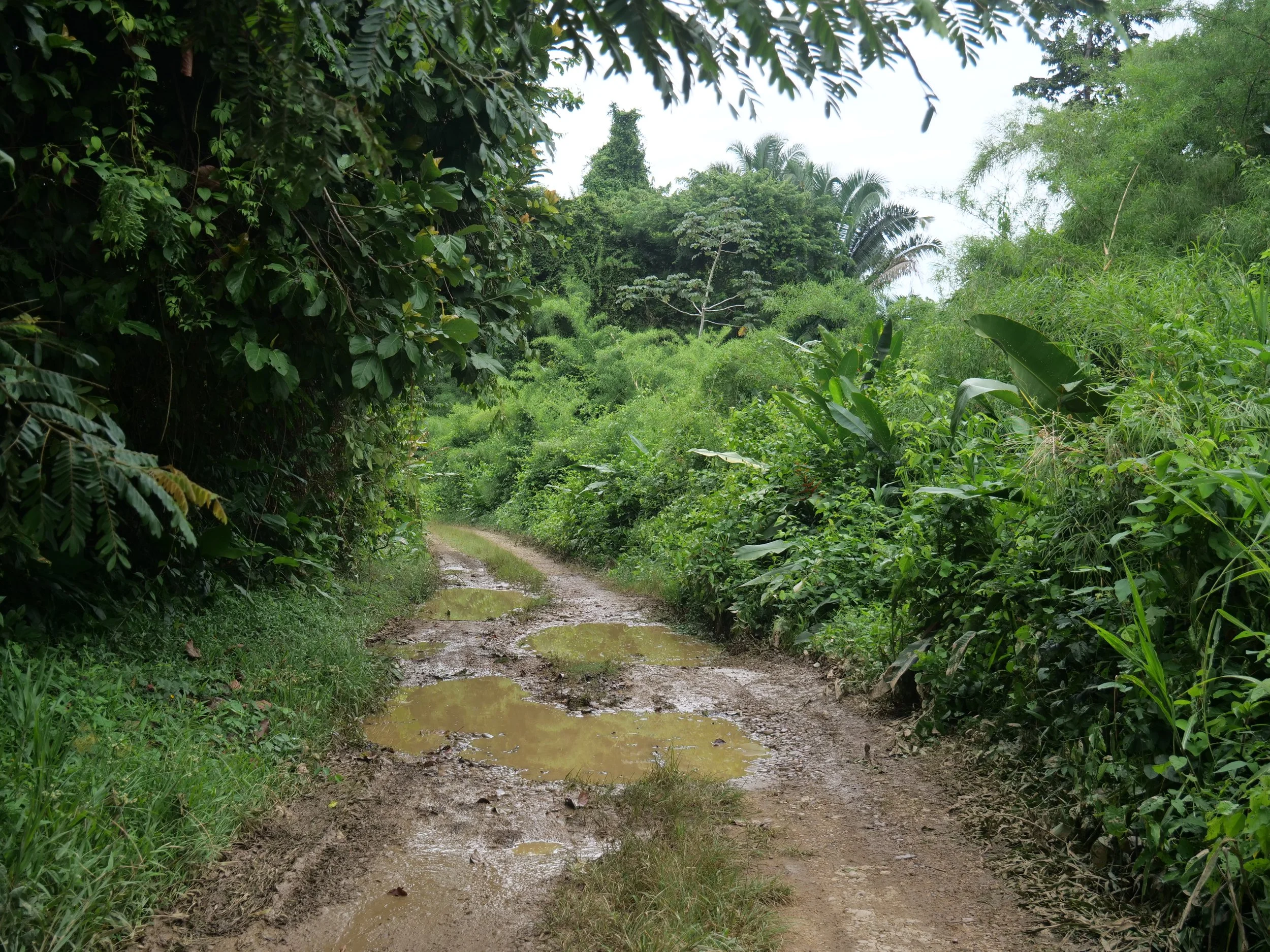
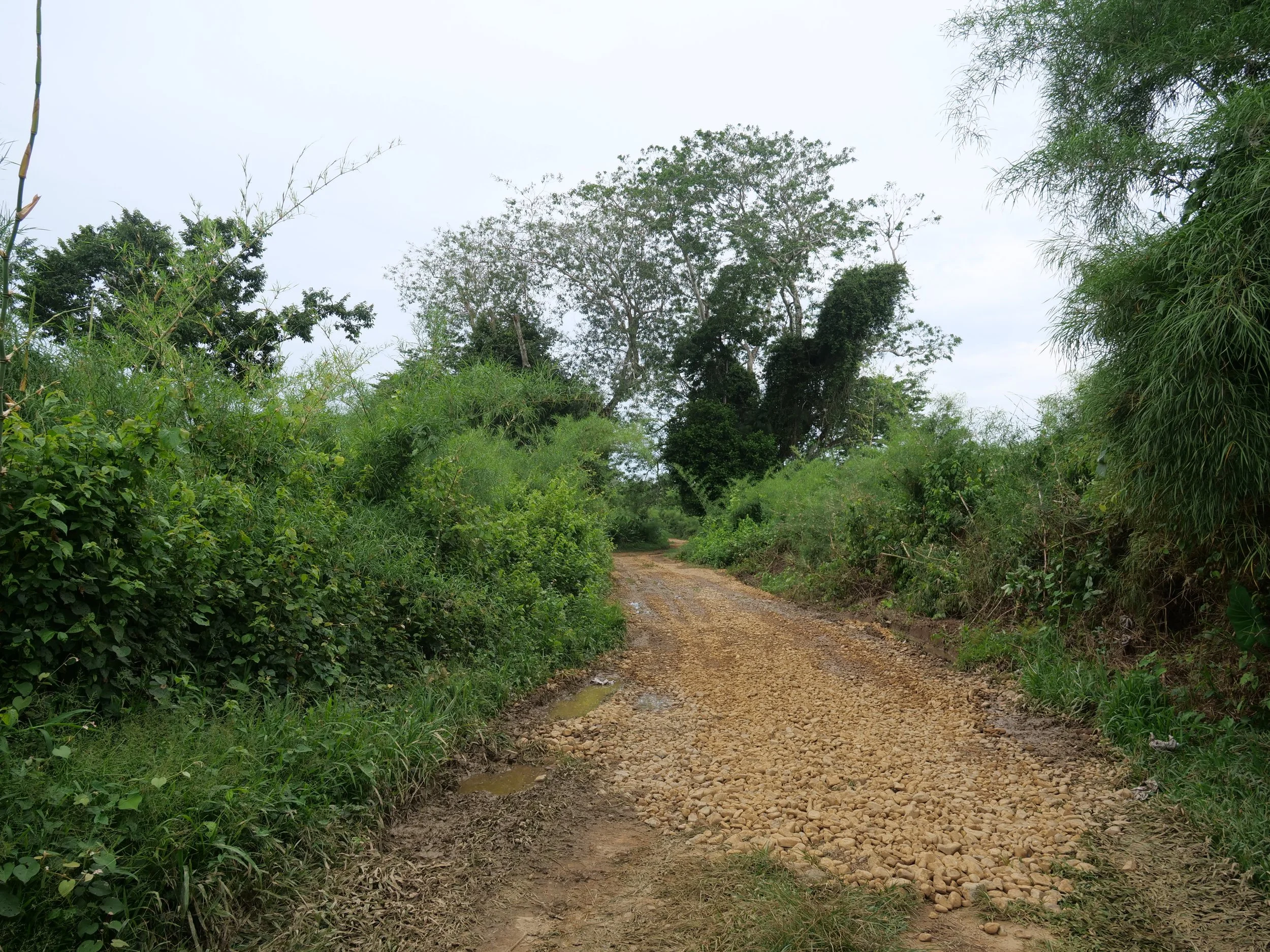
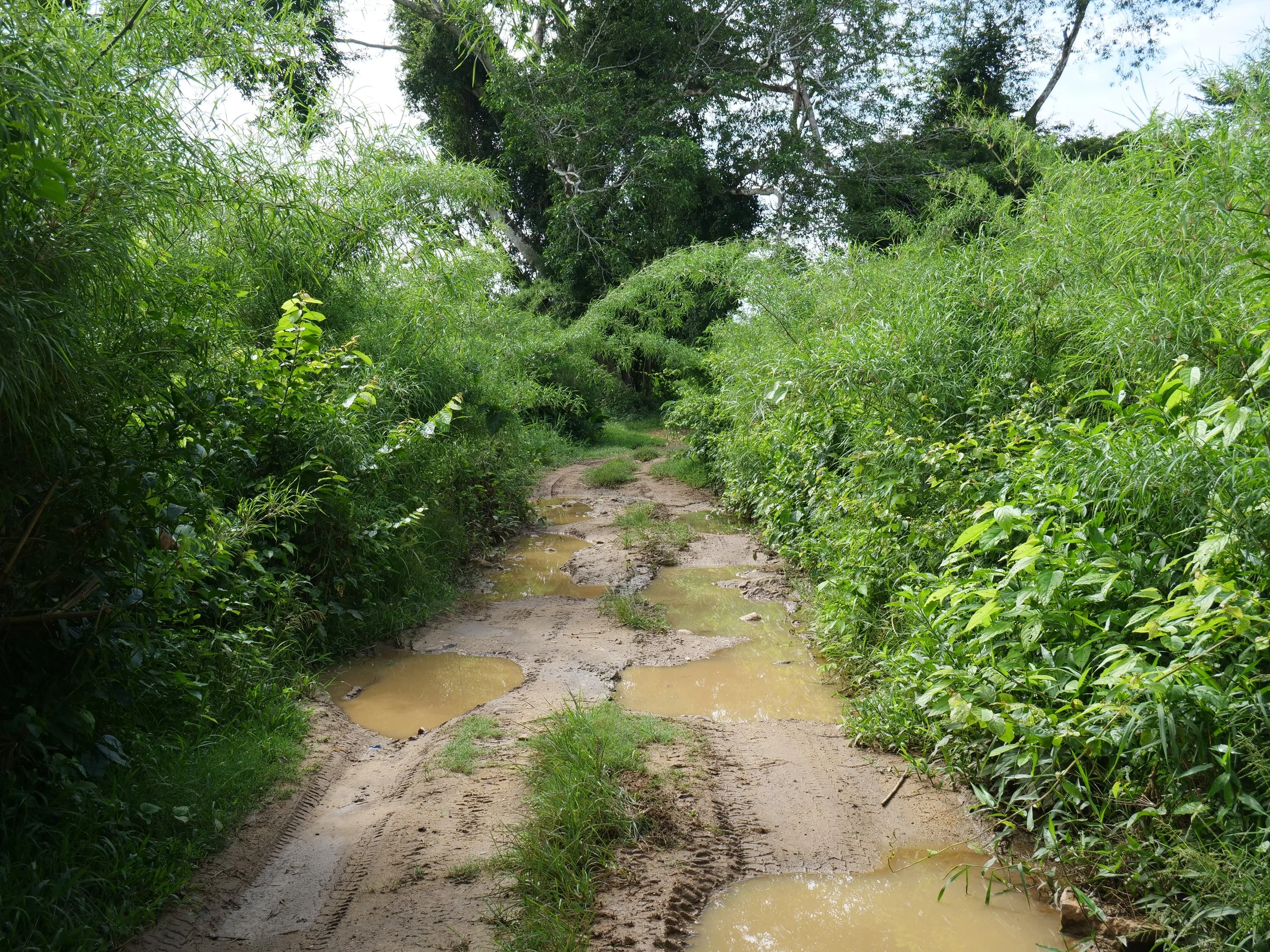
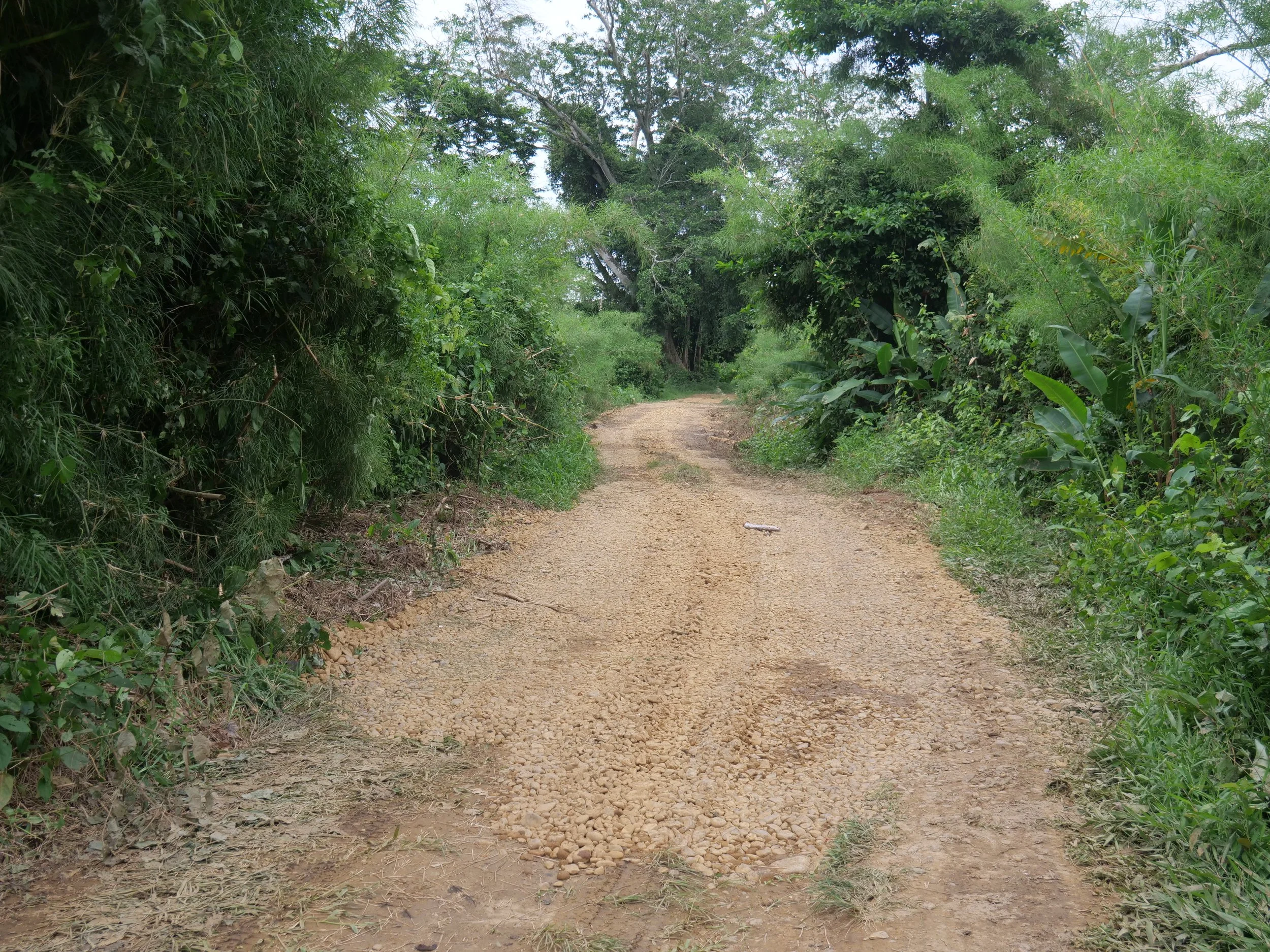
Churchyard Road may not be on our property, but it’s an important access point for many of our neighboring community members who use it to reach the Sibun River, whether for fishing, spending time with family, or simply enjoying one of our area’s beautiful natural spaces.
Knowing how much the road is used, we were more than happy to lend a hand by providing a few loads of road material to help improve its condition. Closer to the entrance to the river, the Ministry of Infrastructure Development and Housing (MIDH) also filled some of the worst potholes, making the journey a little smoother for everyone heading down to enjoy the Sibun.
Supporting our surrounding communities doesn’t always have to mean a big project. Sometimes, it’s simply about recognizing a need and helping where we can.
Here are a few before-and-afters of the progress!
Community Outreach
Strong communities are built through strong partnerships, and we’re always happy to work with our neighbors at The Belize Zoo to create meaningful opportunities for the communities around us.
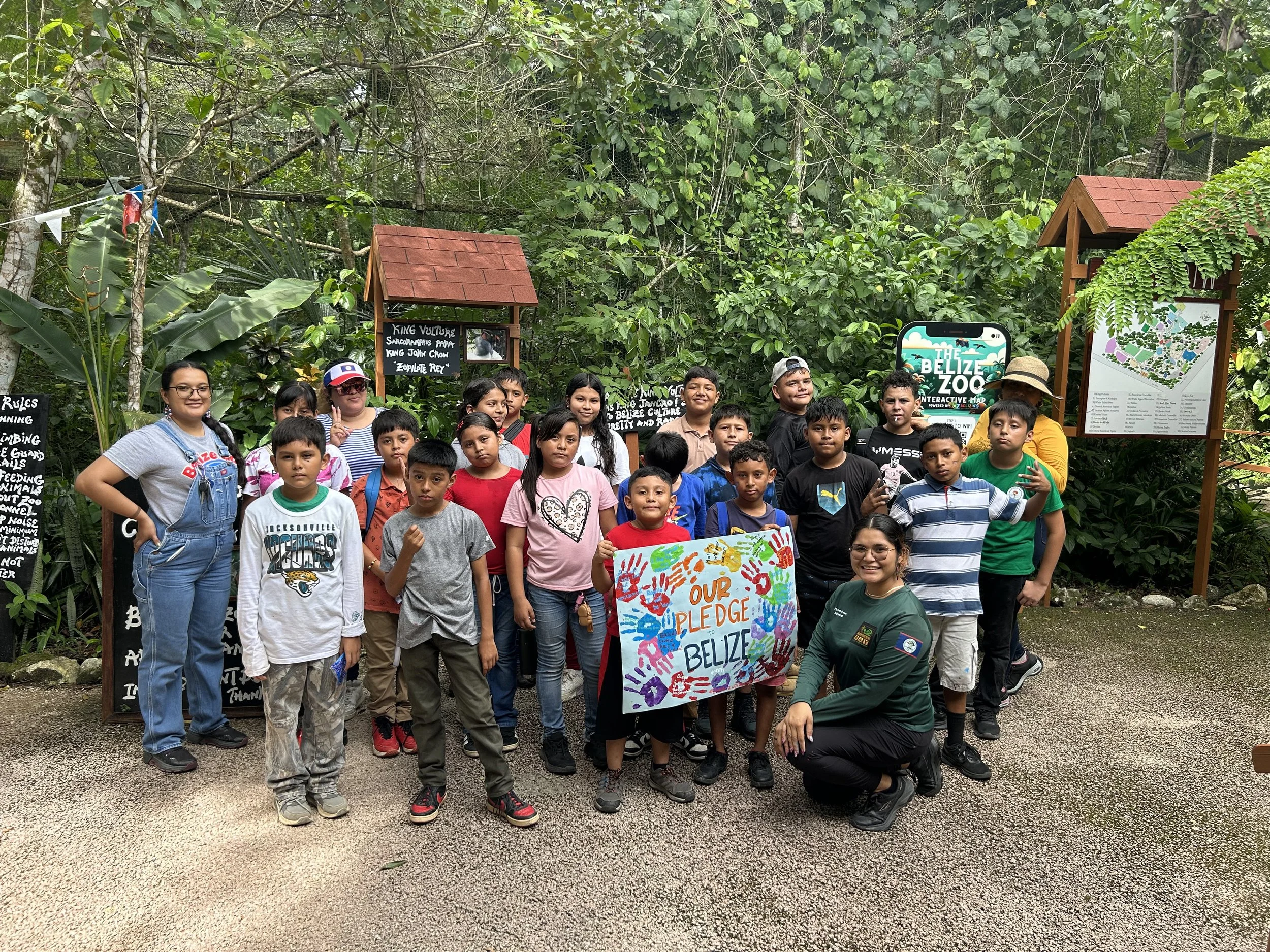
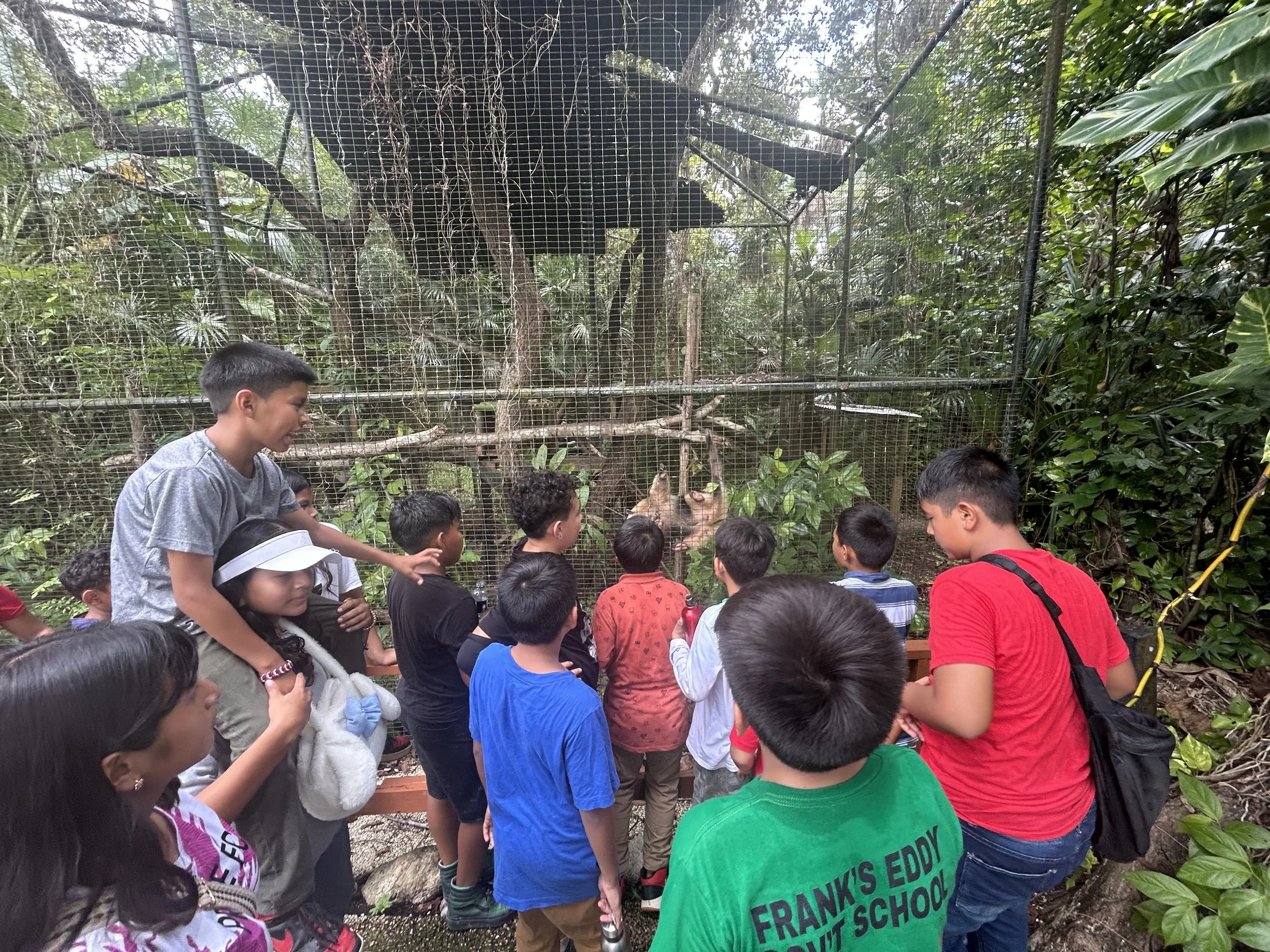
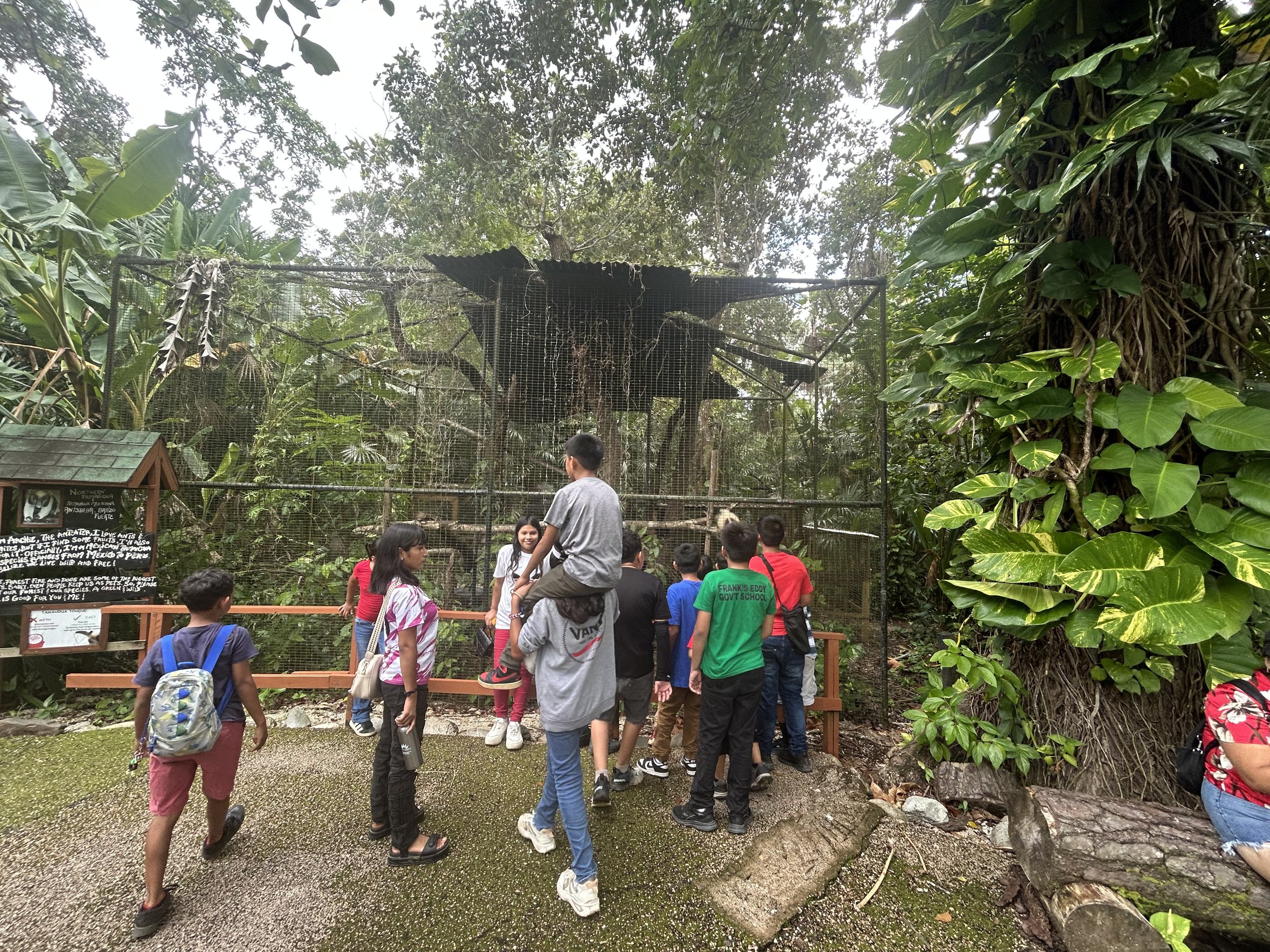
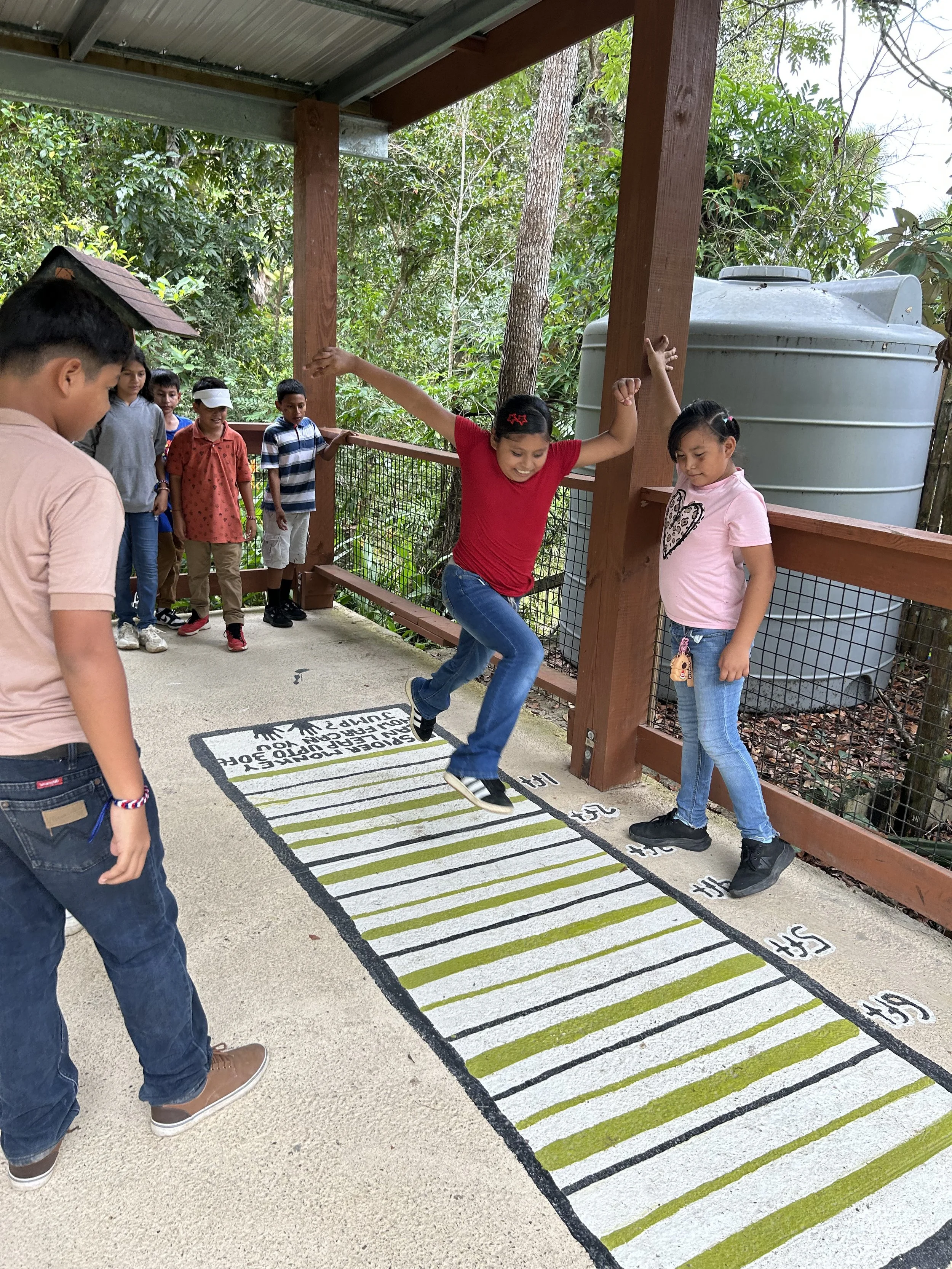
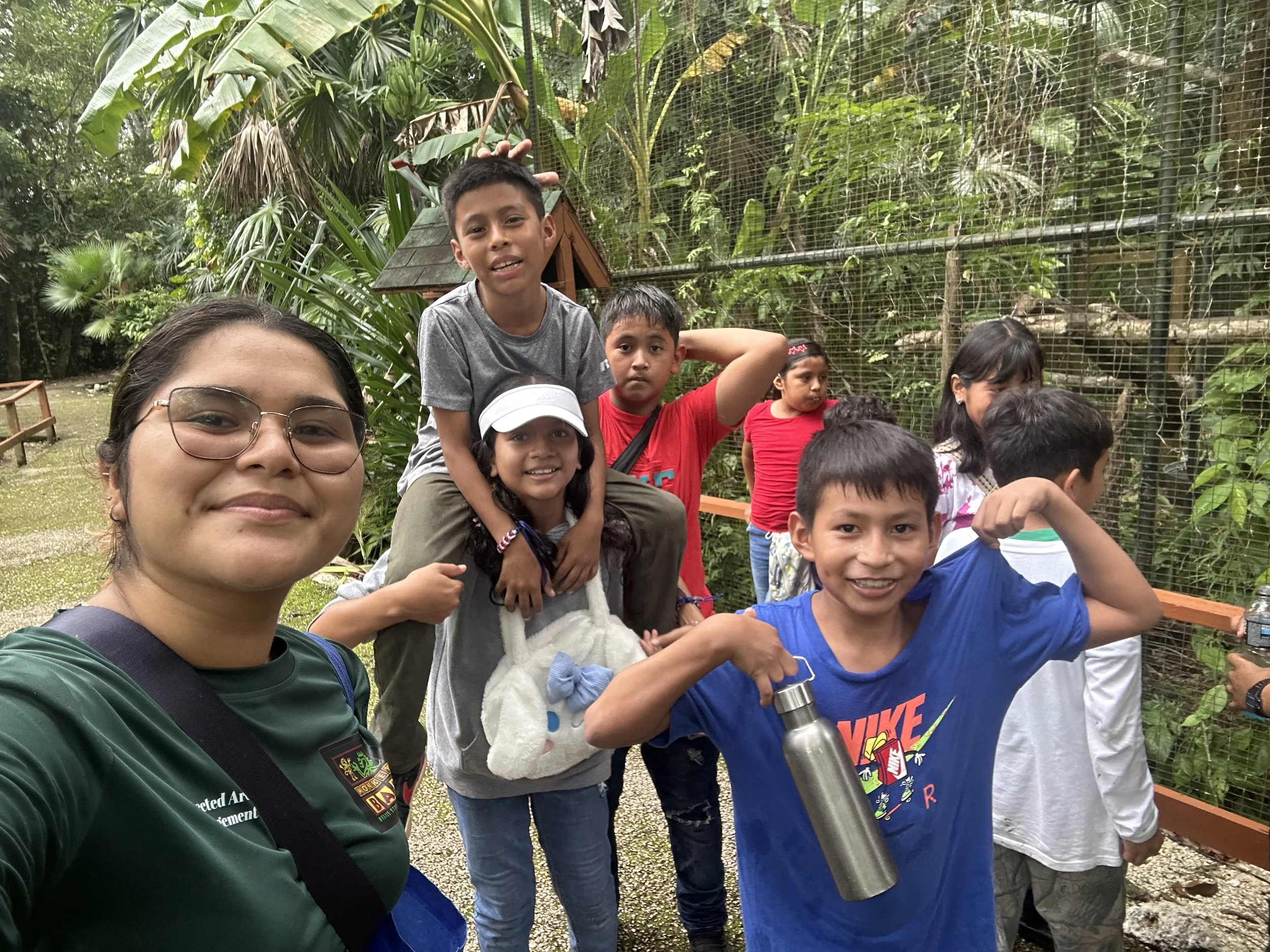
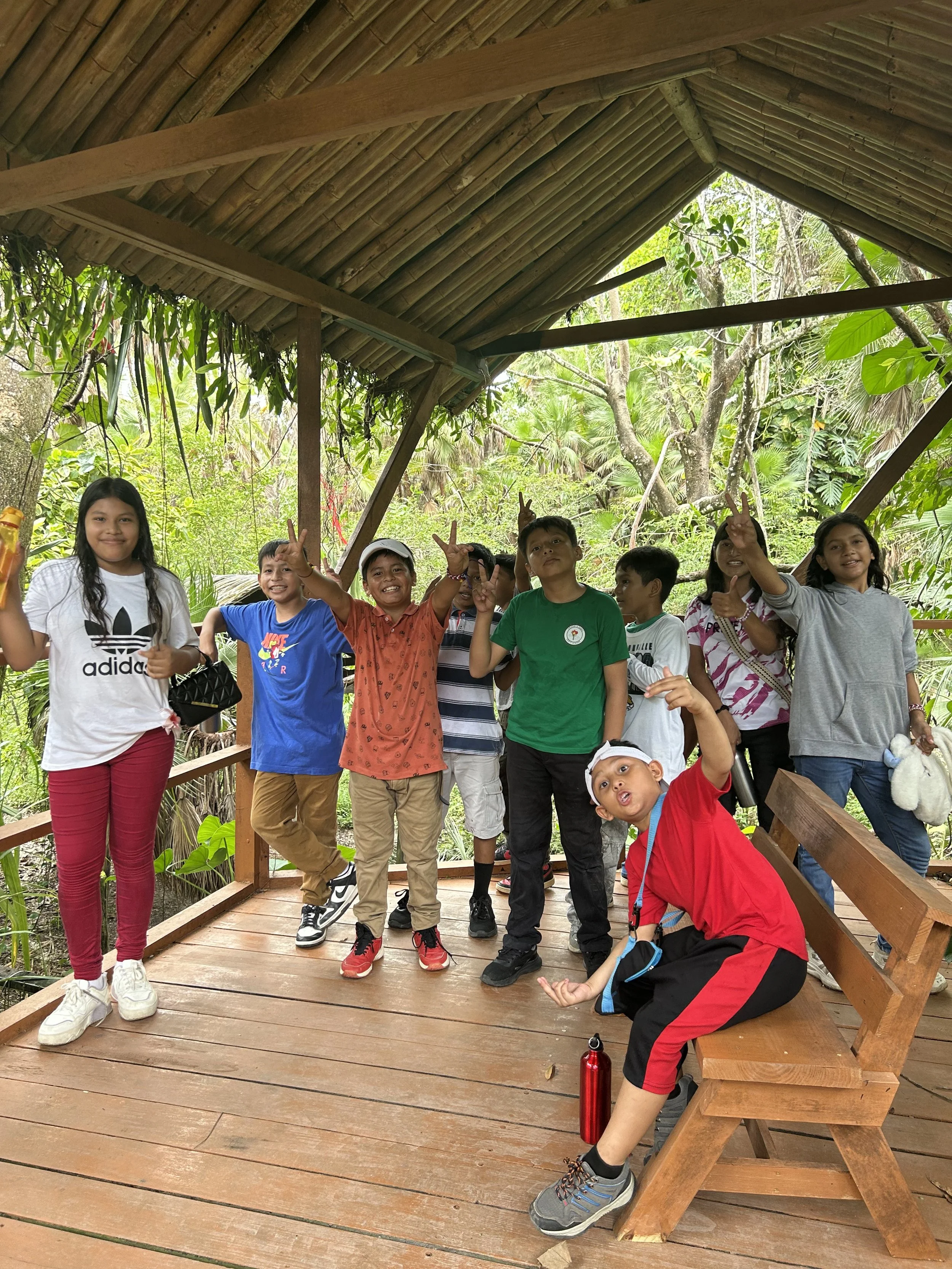
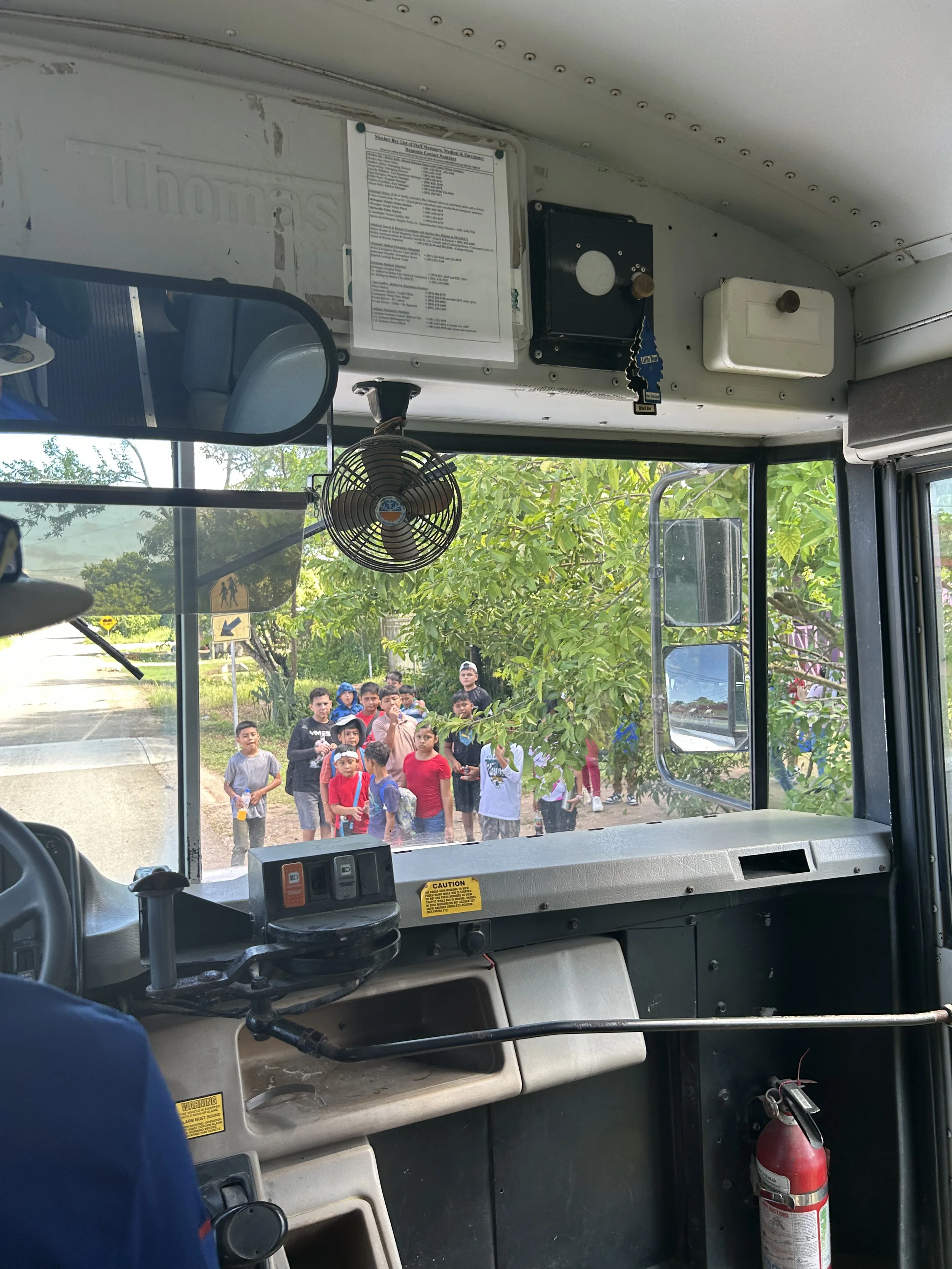
When The Belize Zoo reached out to help organize a field trip for children from Frank’s Eddy, we were excited to get involved and help connect local youth with one of Belize’s most important wildlife education experiences.
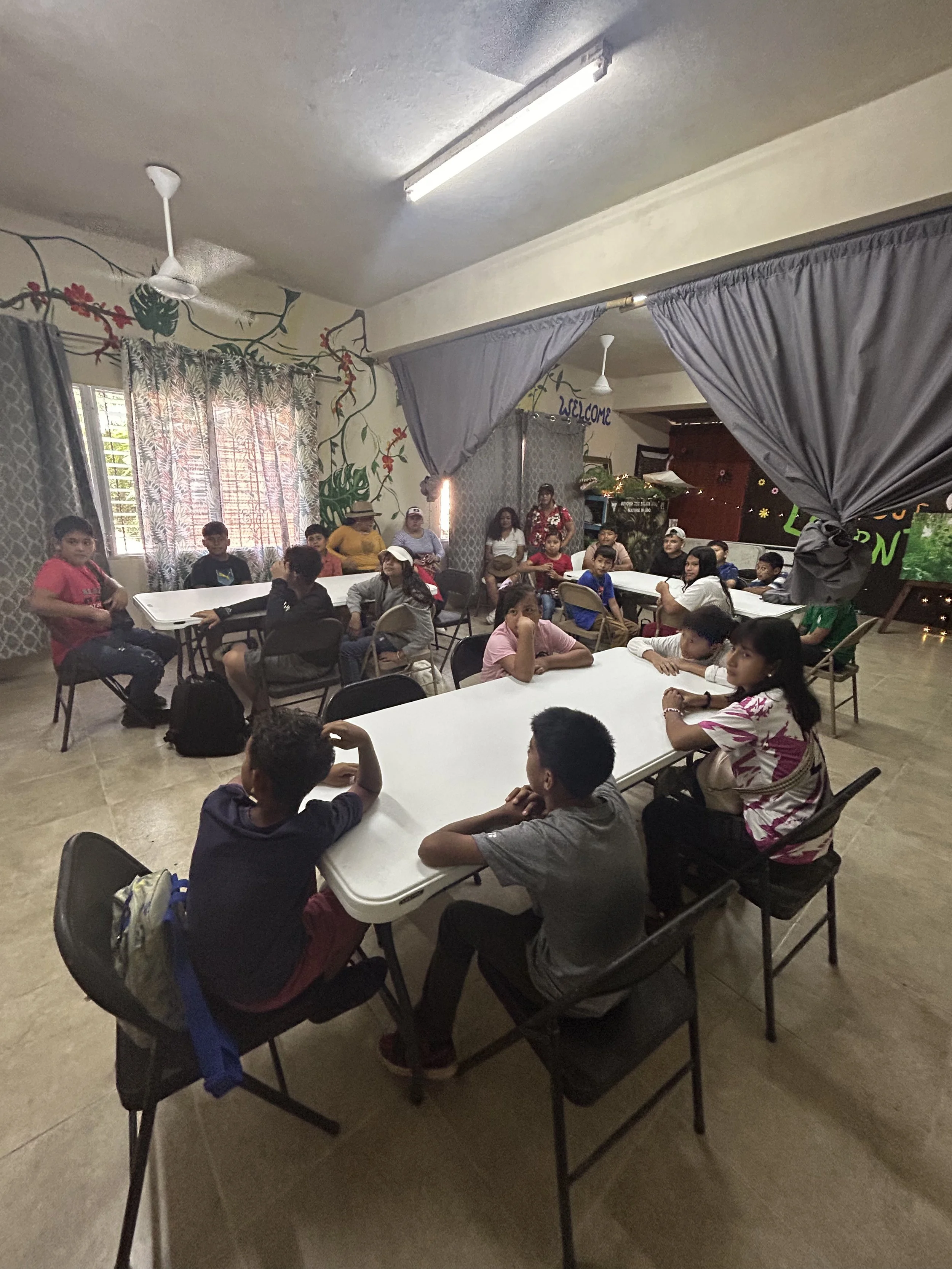
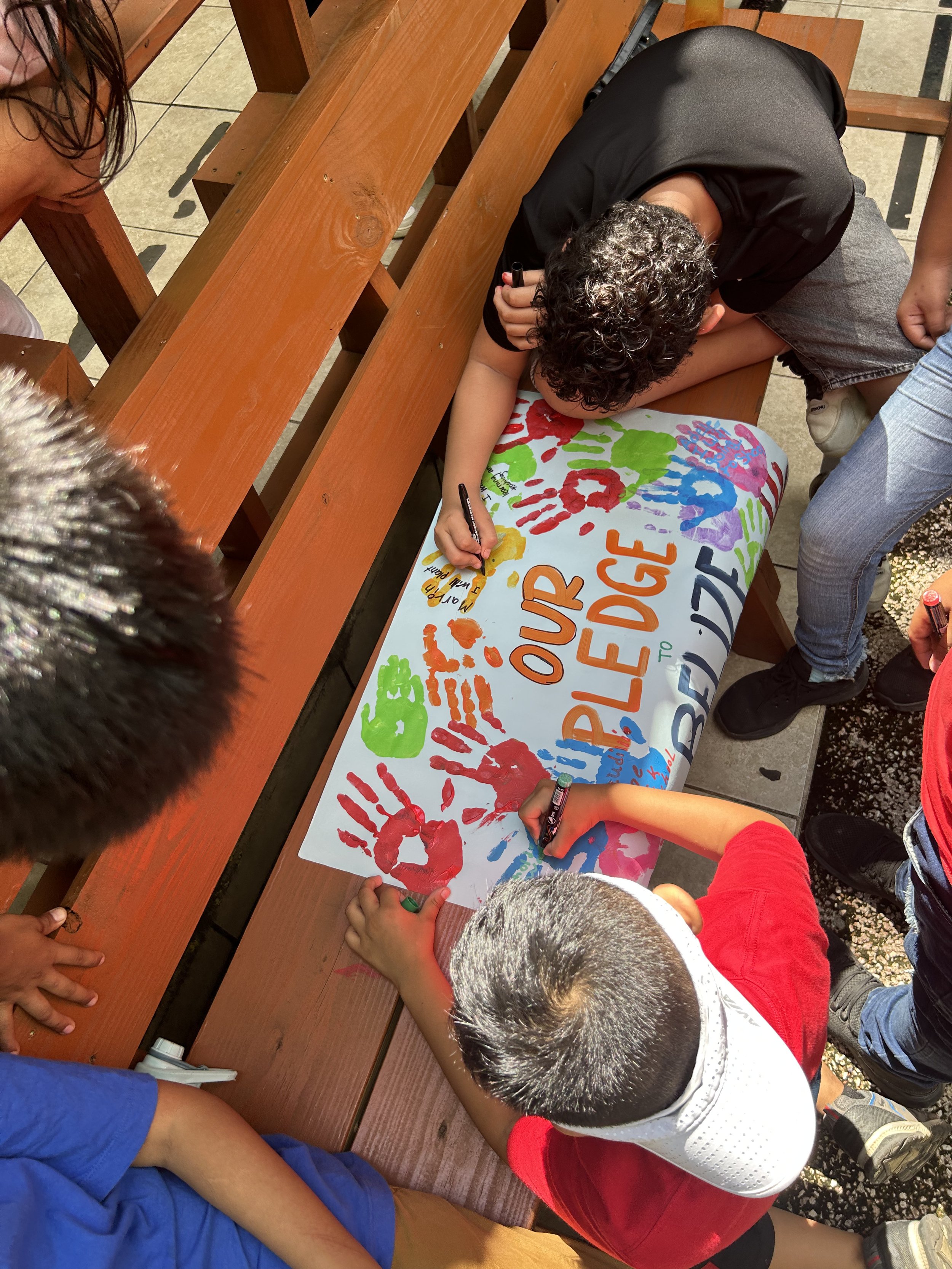
The day began with a short classroom session exploring Belize’s national symbols and how they help shape our identity as Belizeans. The students then created their own Pledge to Belize, identifying simple ways they can start making a positive difference in their communities and for the environment today.
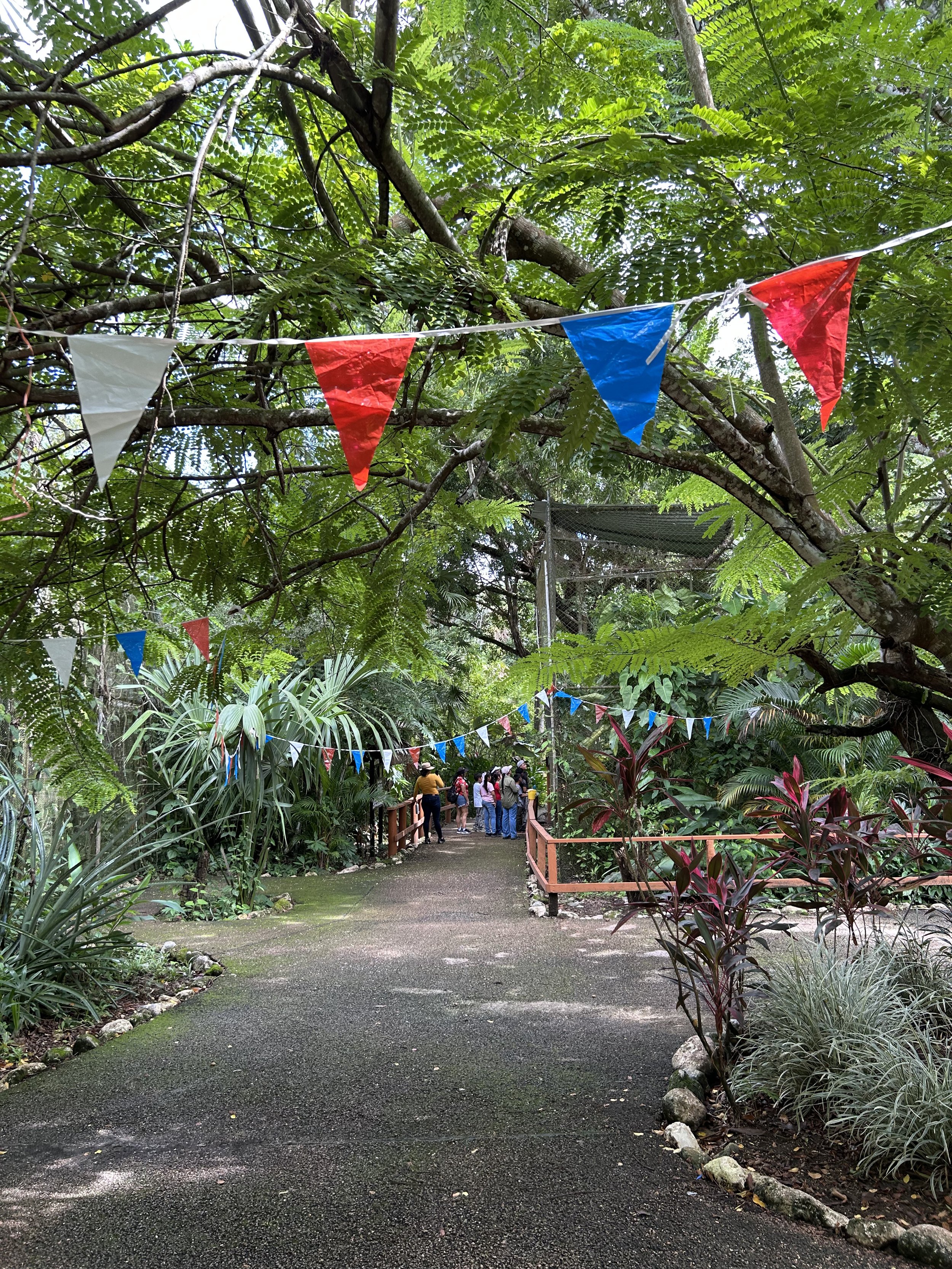
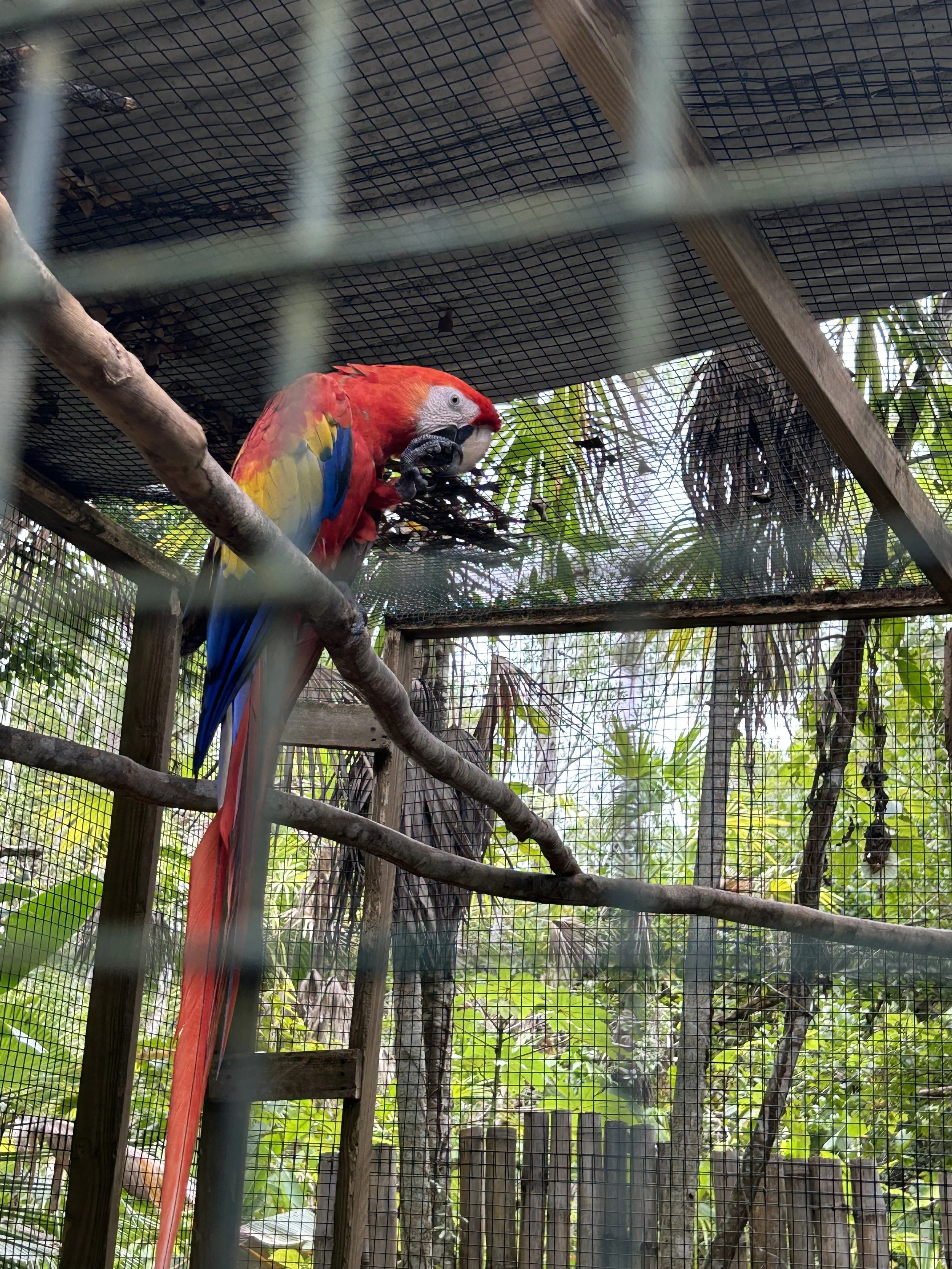
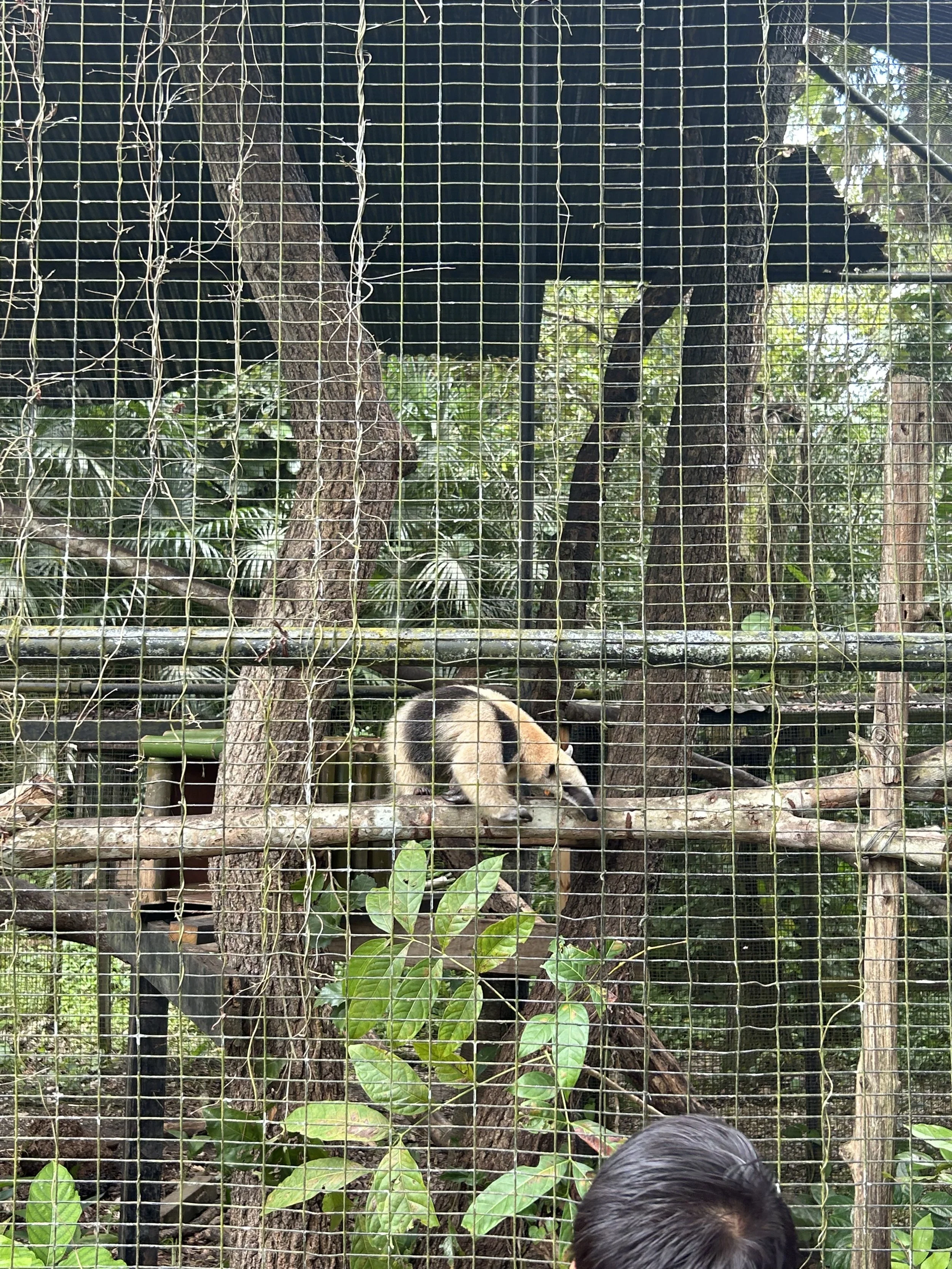
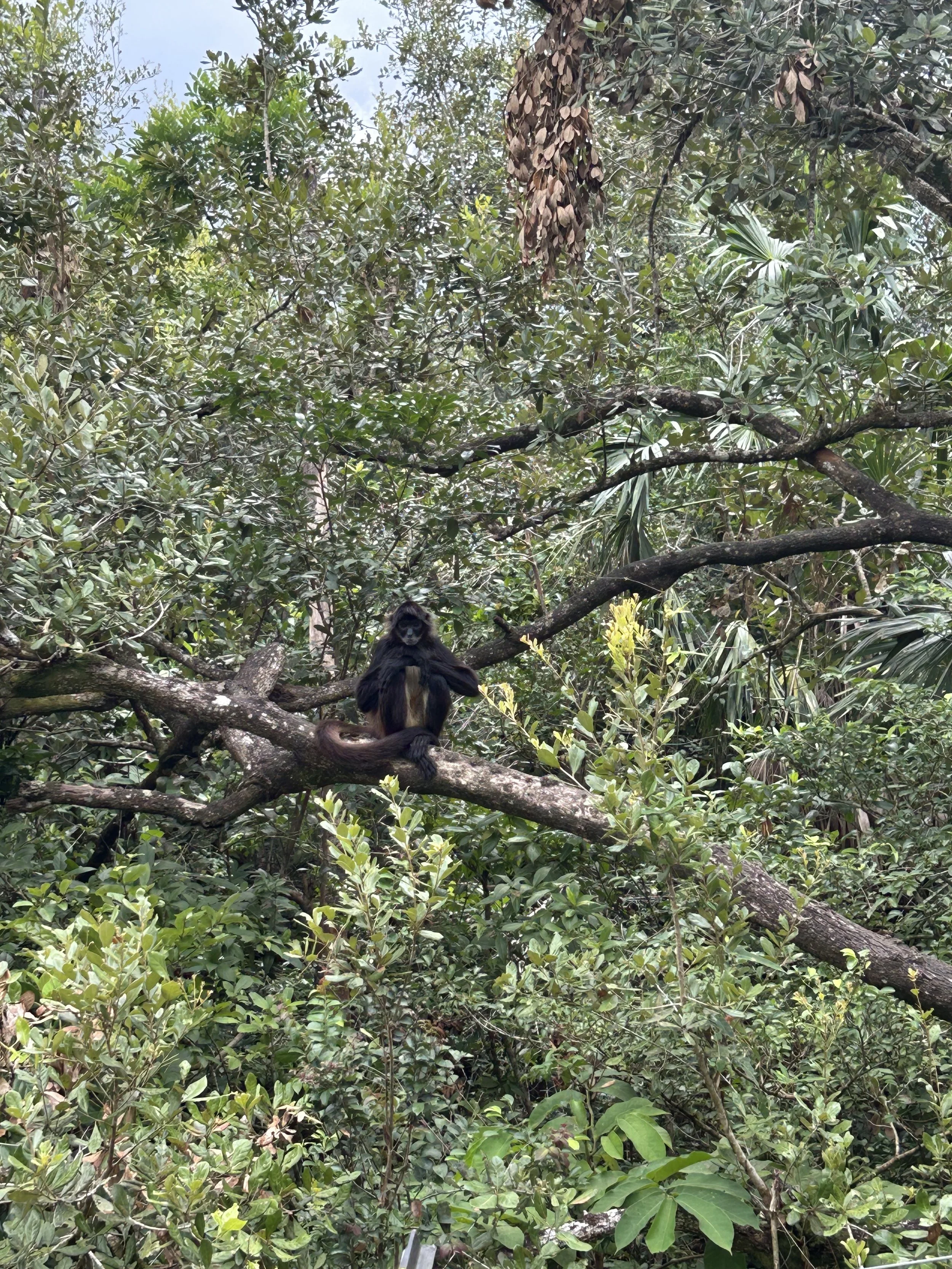
From there, it was off to explore The Best Little Zoo in the World! The children had the opportunity to experience some of Belize’s native wildlife up close, ask questions, and learn more about the animals that share their home.
Experiences like these are about more than a field trip. They give young people opportunities to connect what they learn in the classroom with the wildlife and environment around them, while encouraging them to recognize that they already have a role to play in caring for their communities and Belize’s natural heritage.
In the Field
Monkey Bay Wildlife Sanctuary is always growing and finding new ways to connect our visitors with nature. Most recently, our ranger team has been hard at work opening a new trail leading deeper into the sanctuary toward what we call the Boat-Billed Heron Pond.
One of several ponds tucked away within our protected area, this spot offers another glimpse into the variety of habitats found across the sanctuary. It’s also a great location for birdwatching, with regular sightings of the Boat-Billed Heron that inspired its name, along with plenty of opportunities to spot other wildlife along the way.
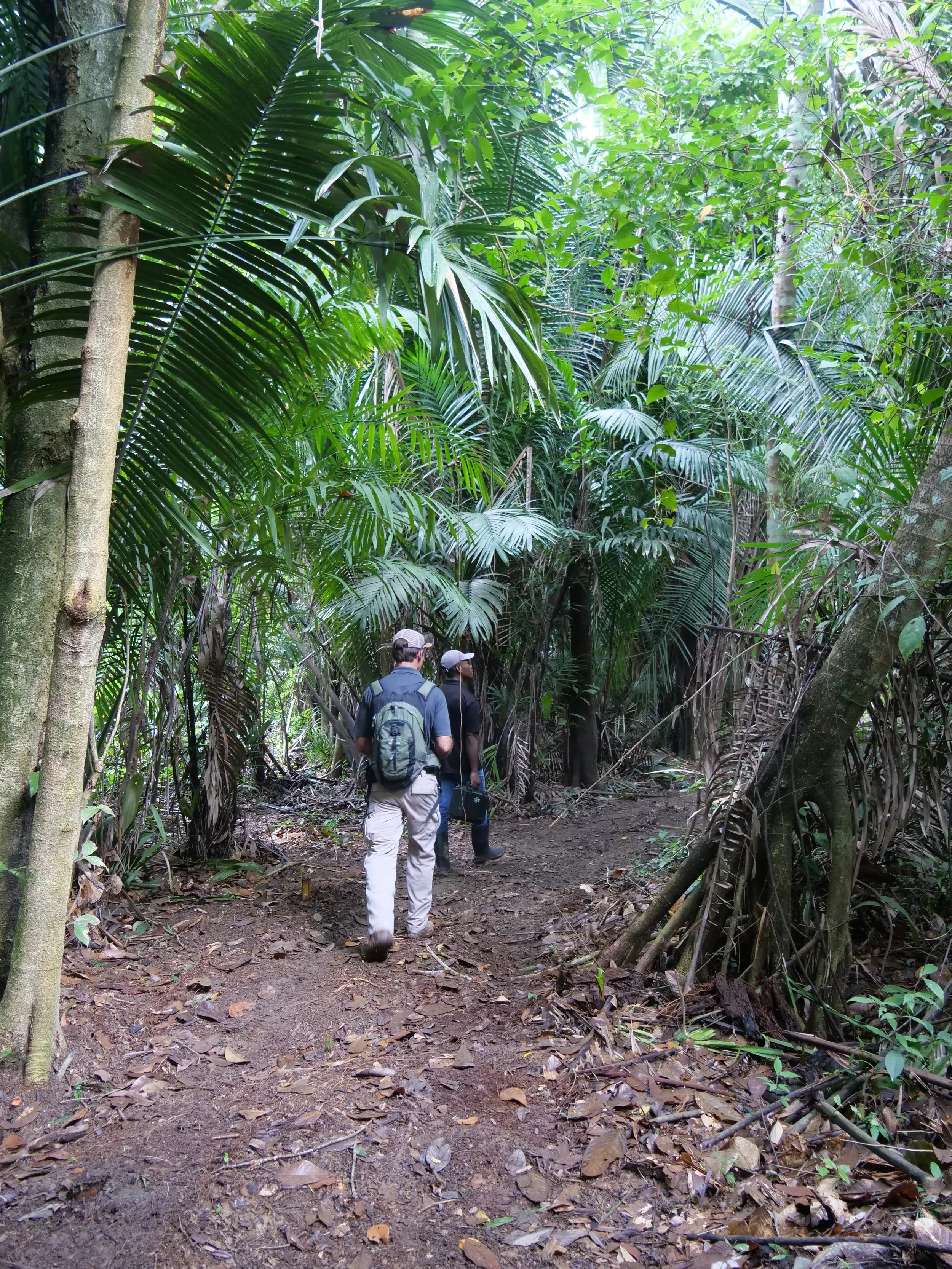
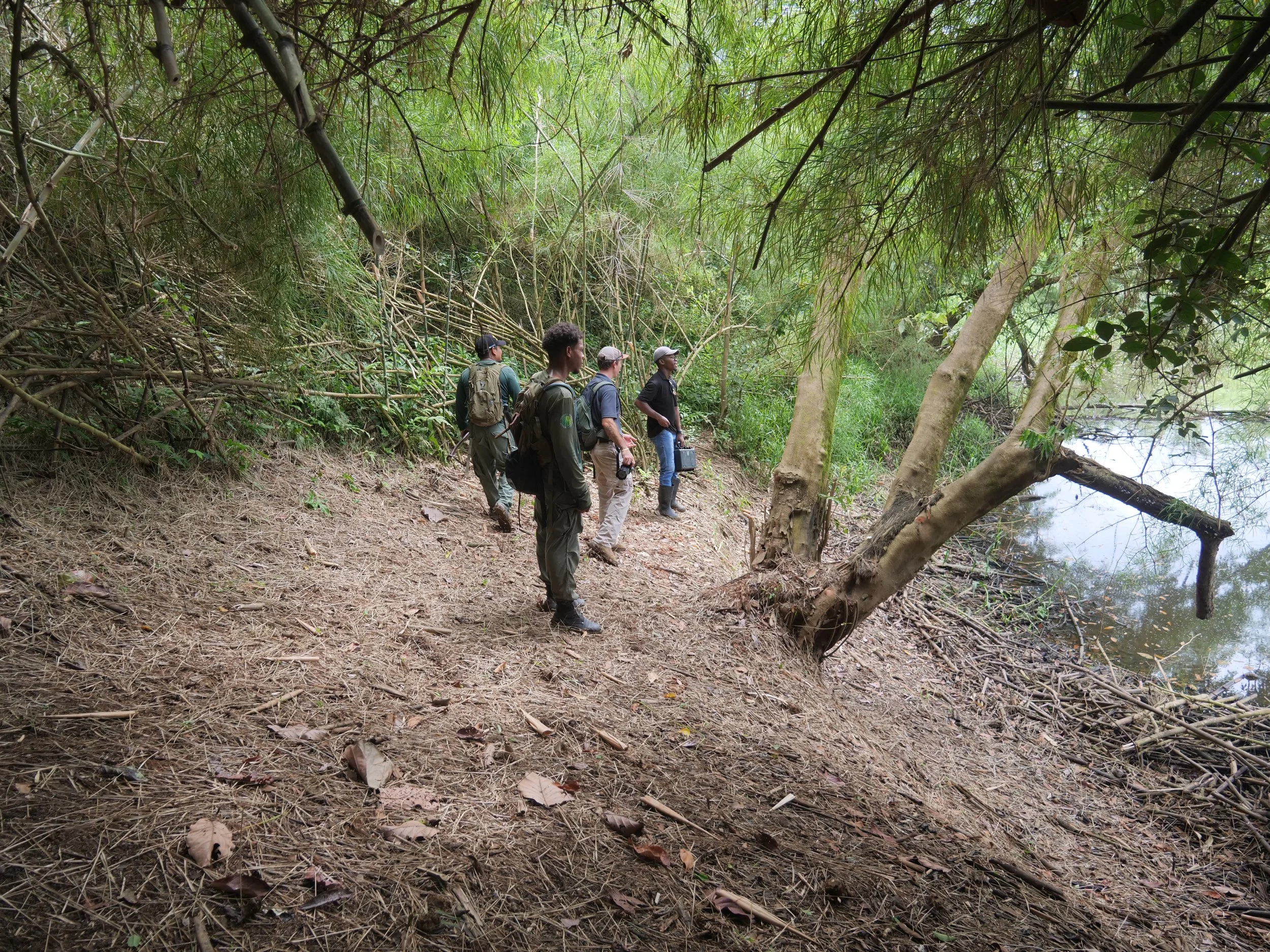
Opening this route will allow visitors to explore a new part of the sanctuary while giving our team greater access to the area for monitoring and management.
Keep an eye out for updates as we prepare to officially open the trail to the public. We’re excited to see what our visitors, birders, and nature enthusiasts discover along the way!
And while we’re emphasizing the importance of collaboration between our partners, our Environmental Educator, Ranai, was recently invited by the University of Belize Environmental Research Institute (UB-ERI) to assist with baseline biomonitoring efforts in the Deep River Forest Reserve.
With previous training and experience in bat capture and research methods, Ranai was able to contribute directly to the fieldwork, assisting the research team with the safe capture, identification, and collection of morphological data from bats. The week-long experience also gave her an opportunity to build on her existing skills and gain greater insight into the diversity of bat species found in Belize and the methods used to study and monitor their populations.
This knowledge is particularly relevant to our work at Monkey Bay. Our Protected Areas team regularly encounters bats while conducting patrols and other activities within the caves of Monkey Bay National Park. By bringing what she learned in the field back to our team, Ranai can help strengthen our staff’s understanding of the bats we encounter, their ecological importance, and how we can better observe and document them.
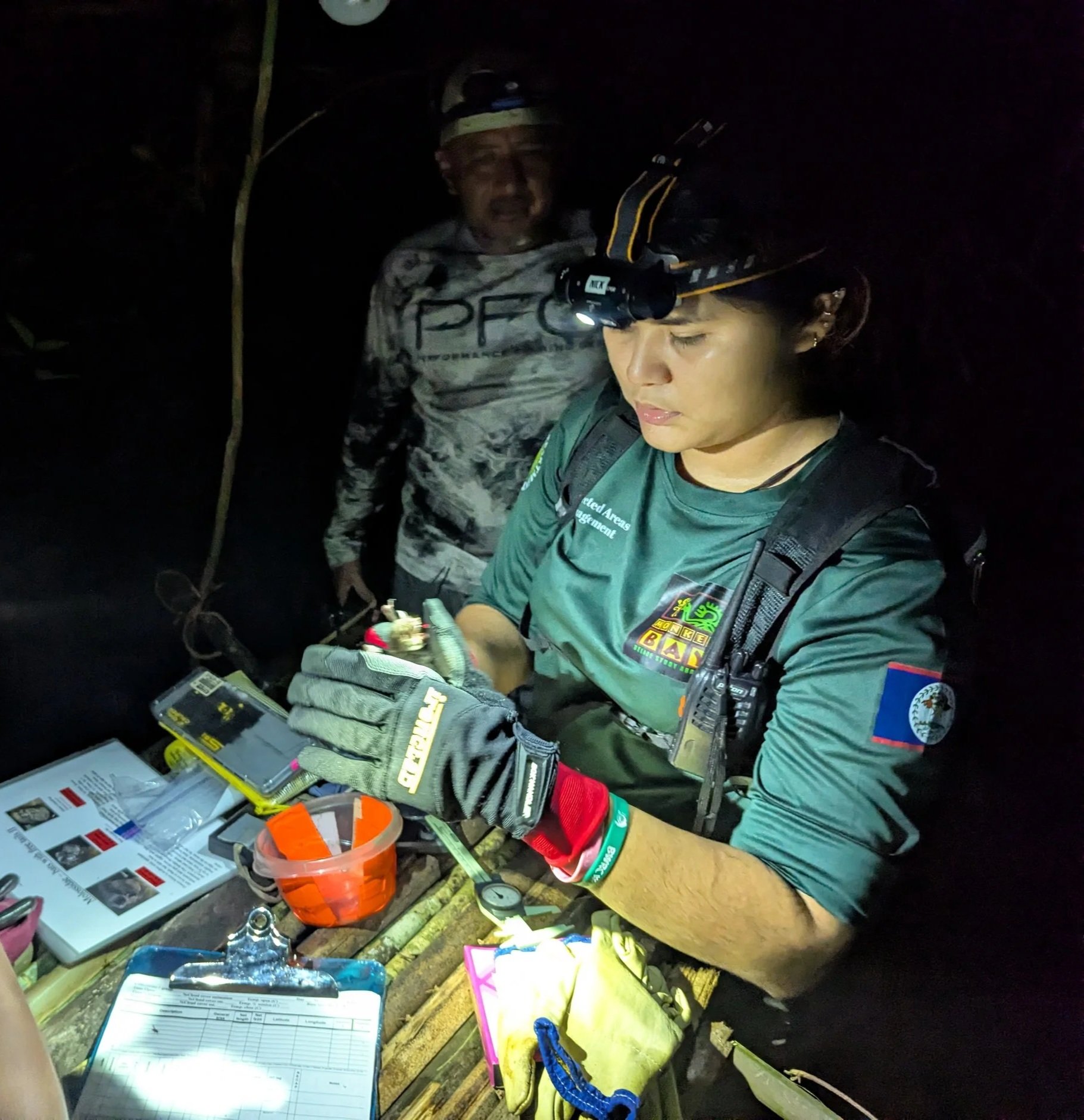
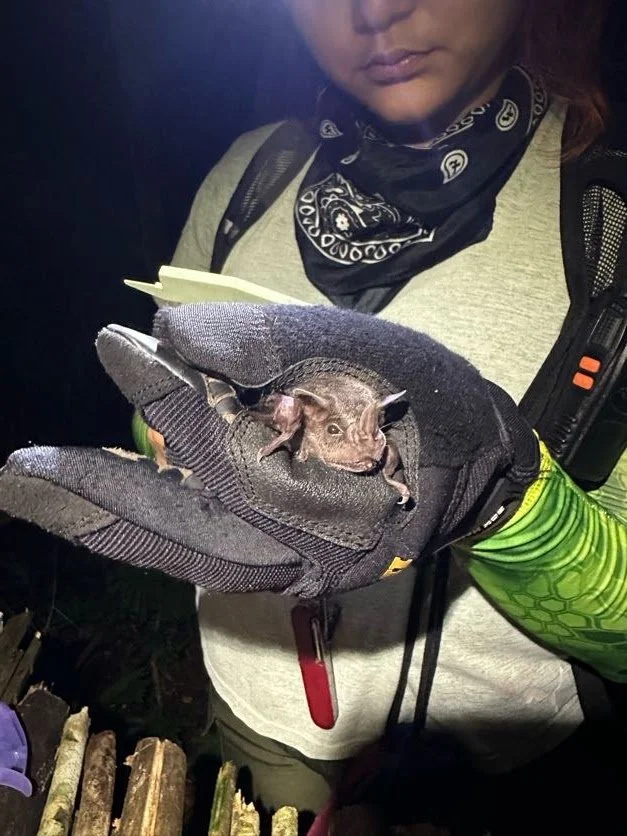
Opportunities like this show the value of collaboration beyond individual projects. By sharing skills, knowledge, and field experience with our partners, we continue building our own capacity for wildlife monitoring while laying the groundwork for more in-depth biomonitoring within Monkey Bay Wildlife Sanctuary and Monkey Bay National Park.
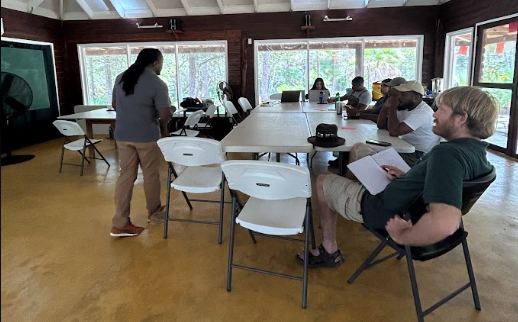
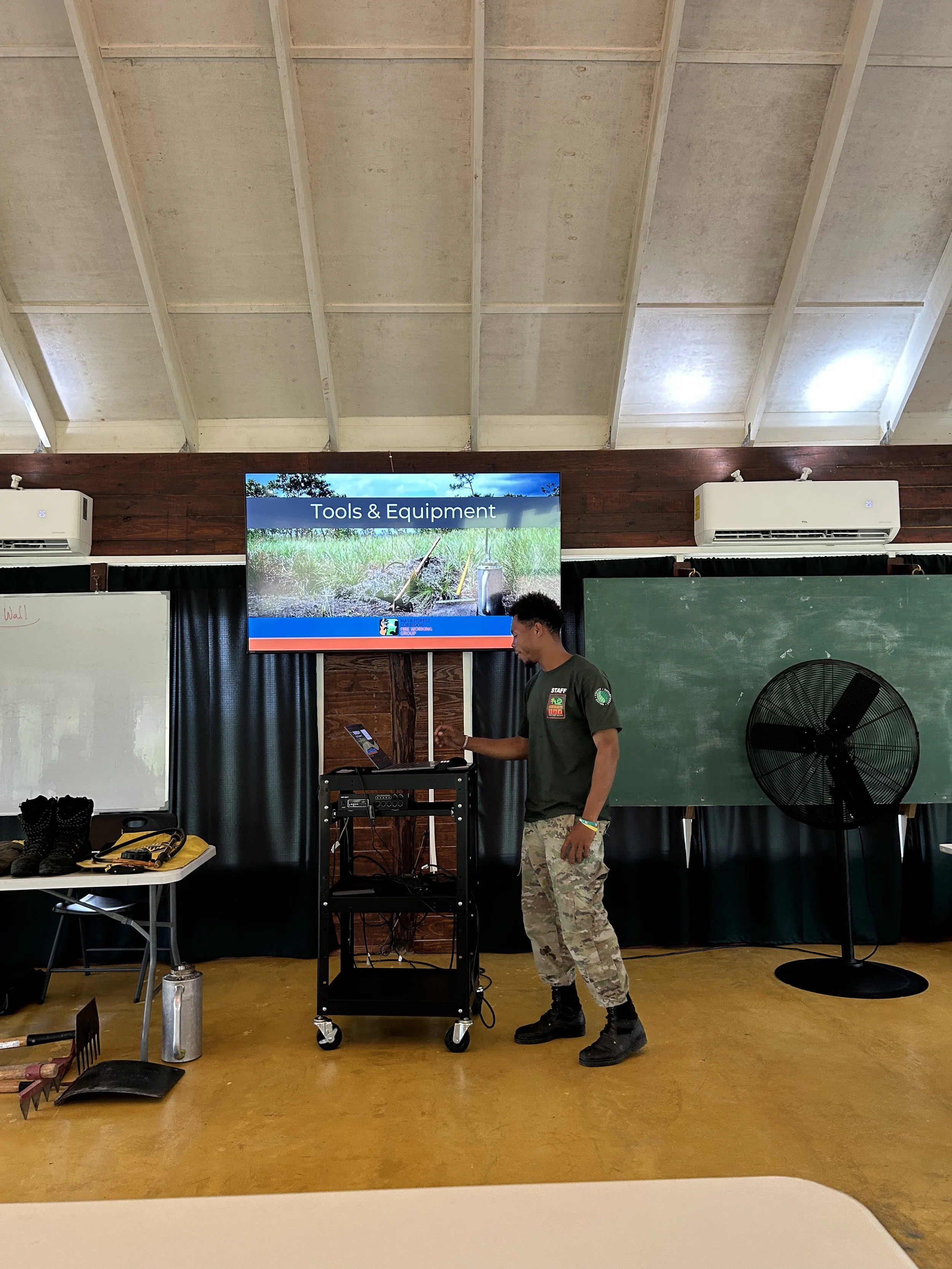
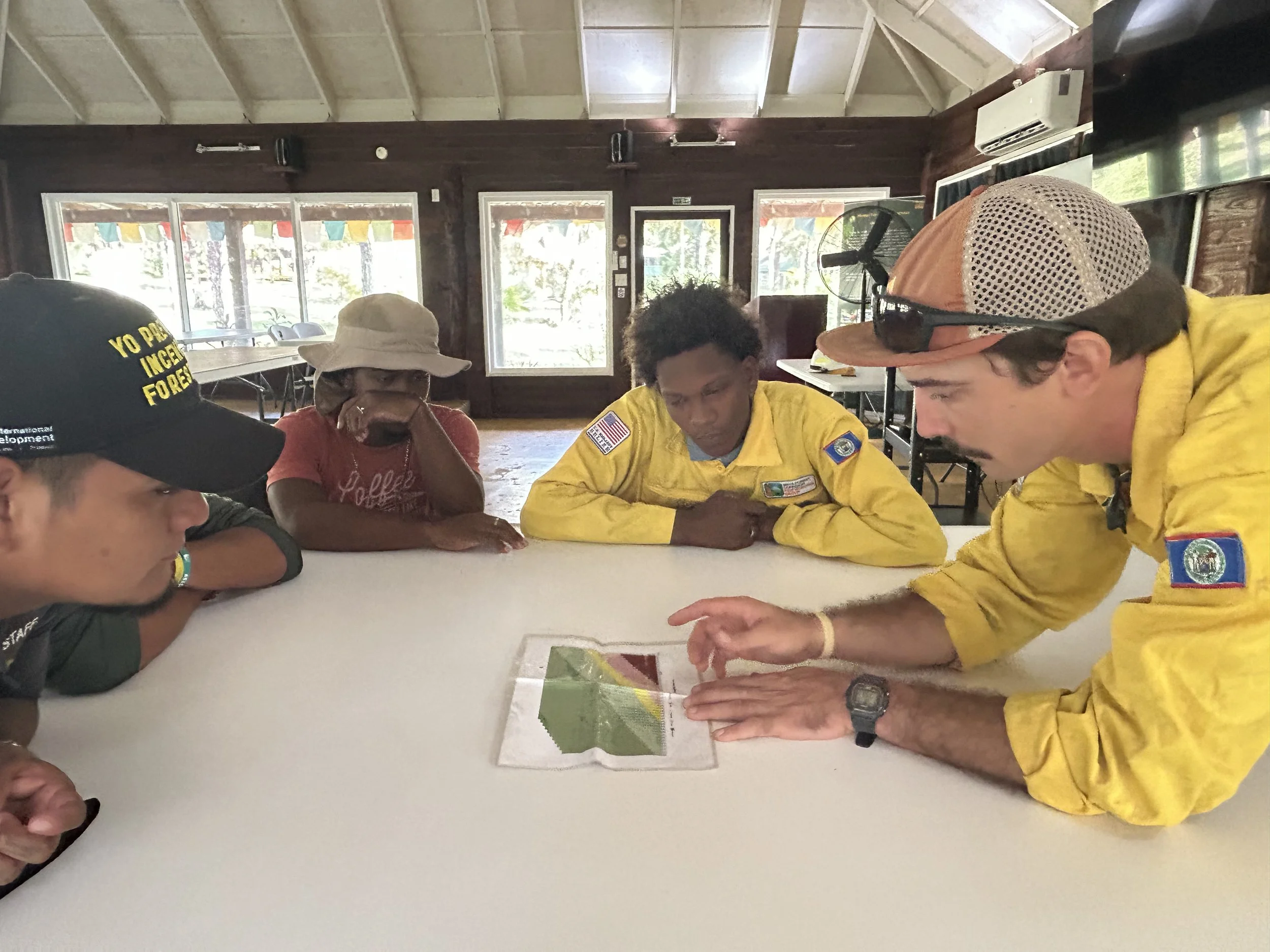
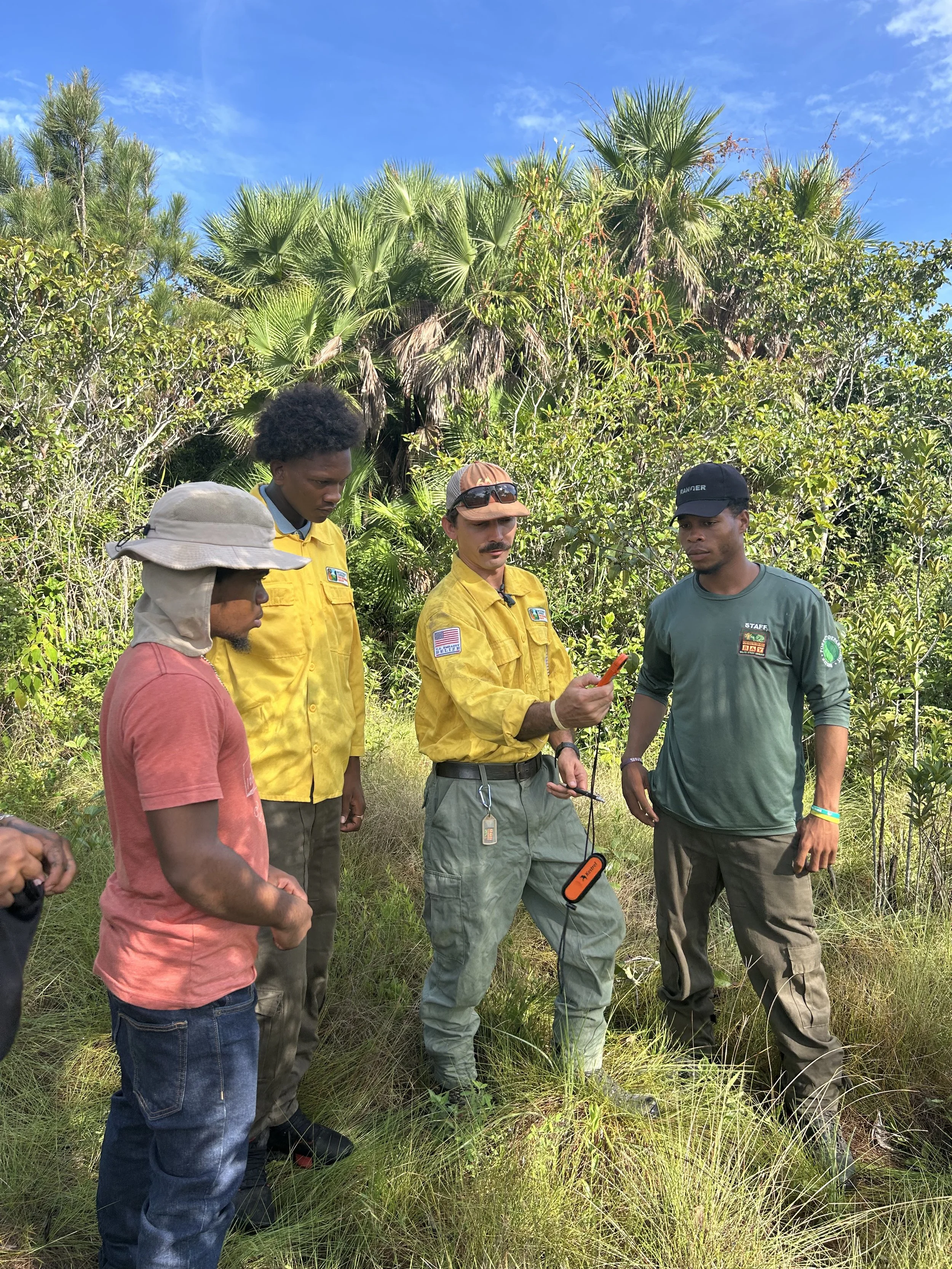
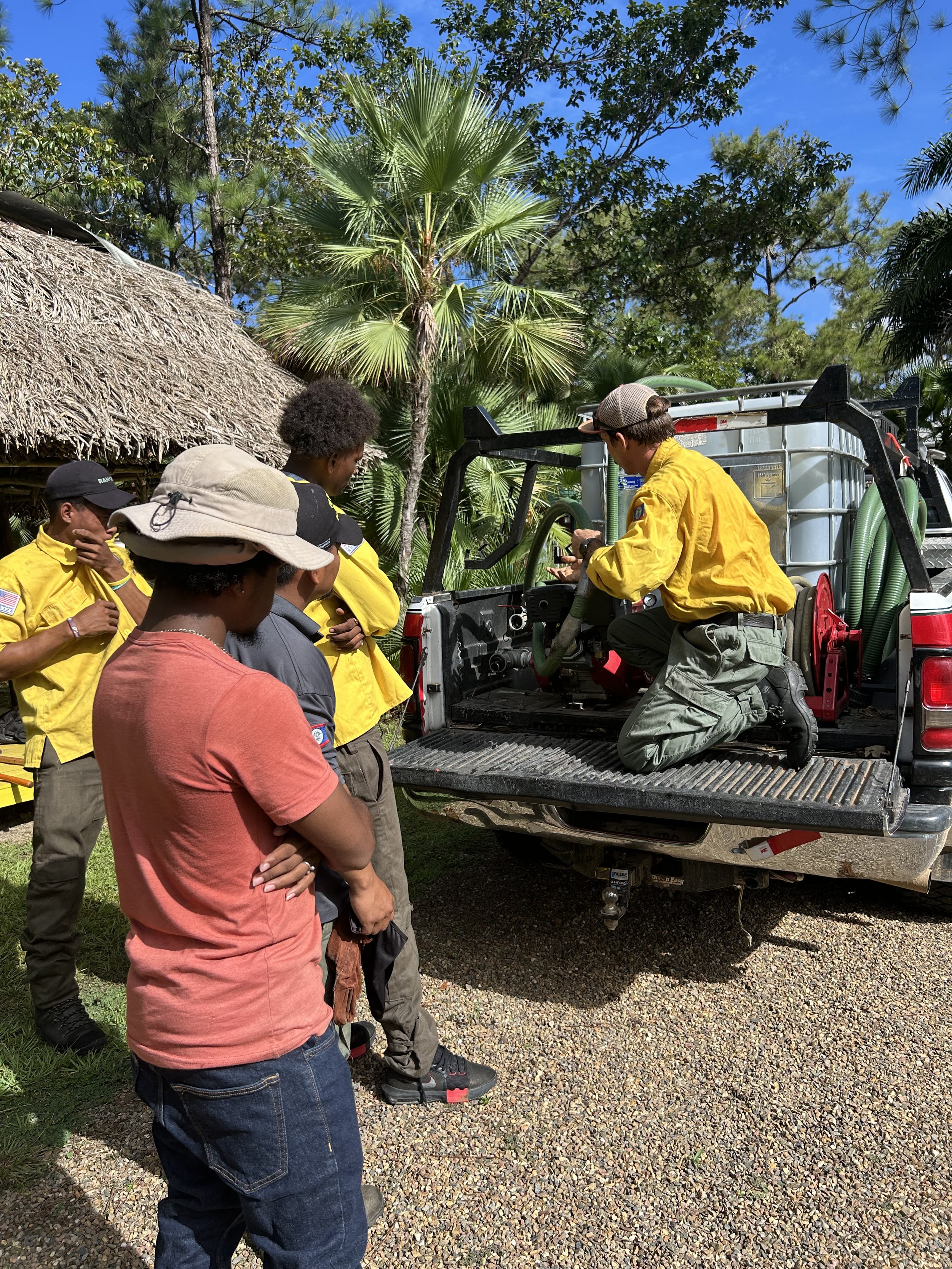
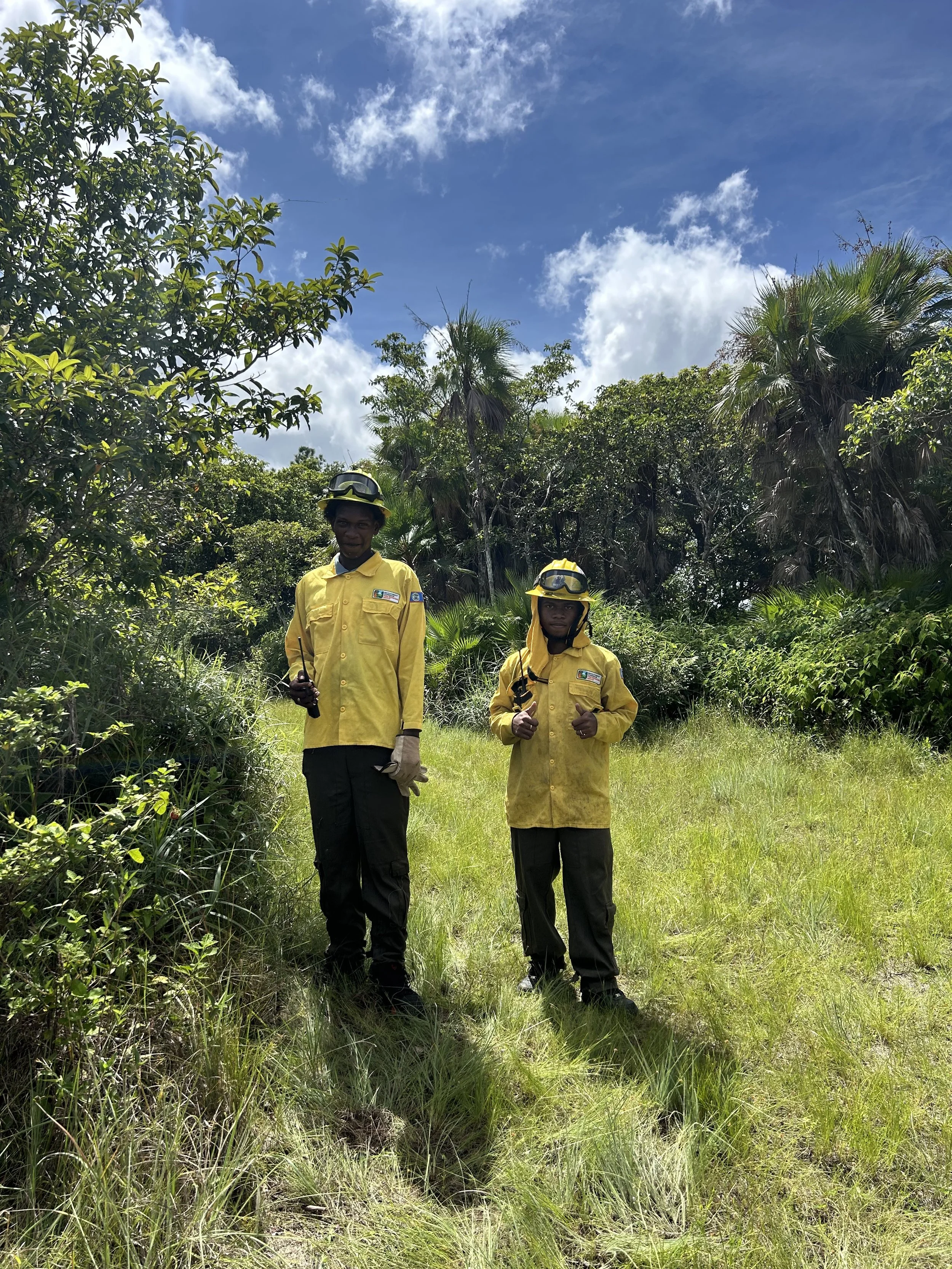
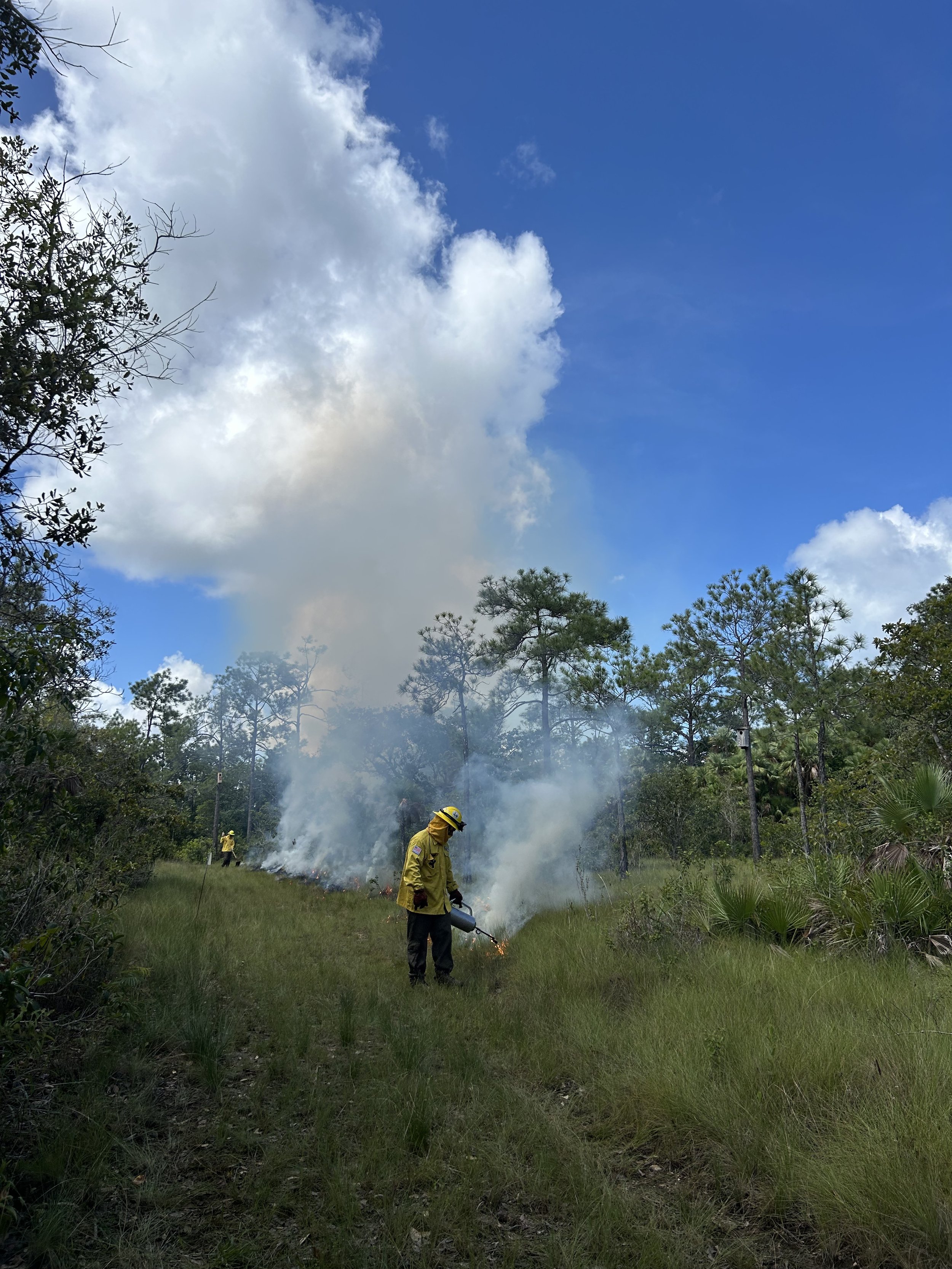
Last week, our Protected Areas team took some time to refresh their skills with an Introduction to Wildfire Management training. We were also happy to welcome two community members from La Democracia, Malike and Corey, to participate alongside our team: an important step toward strengthening community involvement in wildfire preparedness and response.
The training began with a review of the fundamentals of wildfire management, including the factors that influence fire behavior, how fires move across different landscapes, and some of the methods used to safely control and manage them. Participants also discussed the importance of understanding weather, vegetation, and other environmental conditions when assessing fire risk and planning a response.
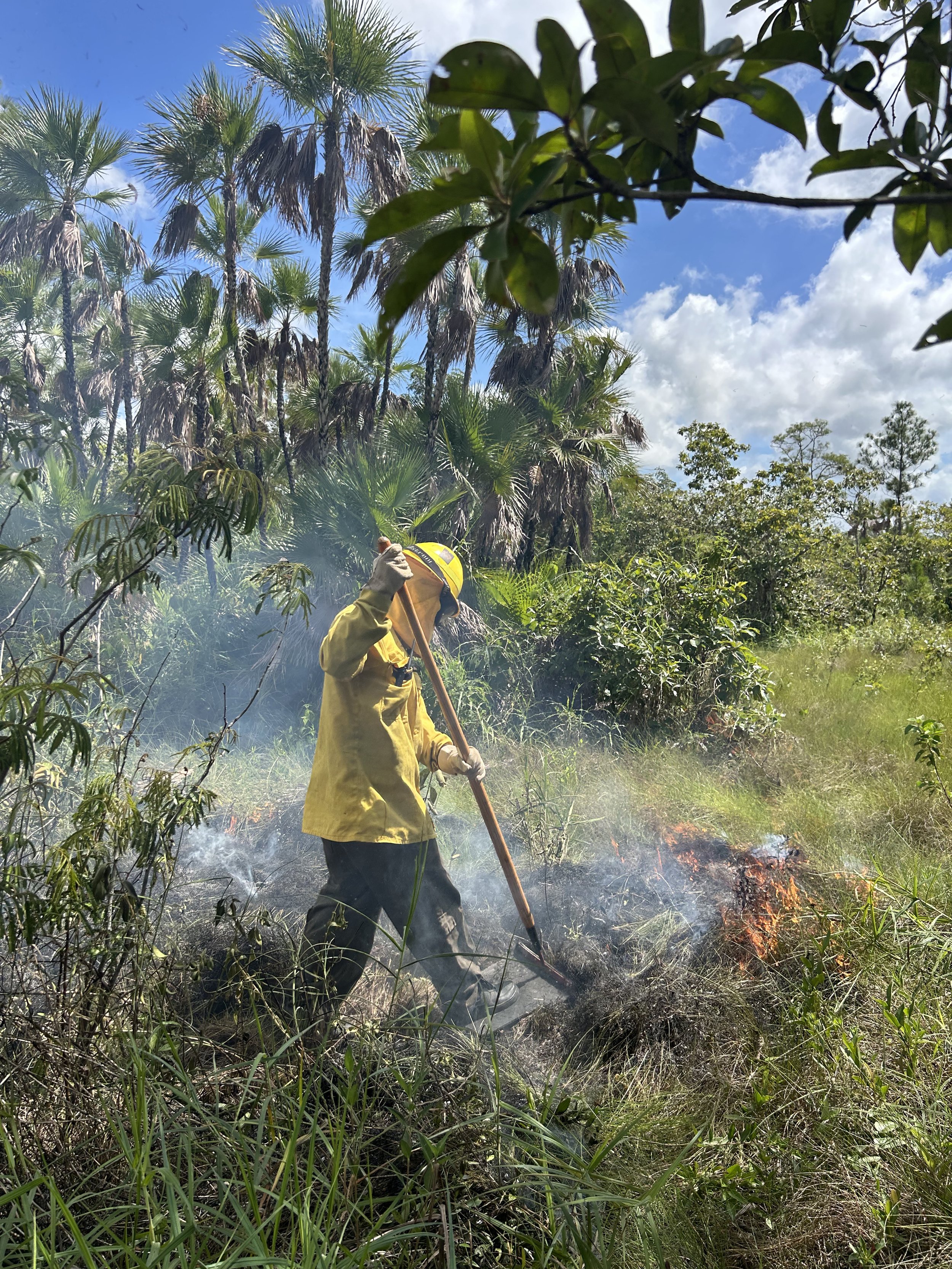
From the classroom, the training moved into hands-on practice. Participants familiarized themselves with our fire engine and equipment, reviewing how they are operated and deployed during a wildfire response. The refresher also included a short demonstration burn, giving participants an opportunity to observe fire behavior firsthand and connect what they had discussed in the classroom with conditions in the field.
For our Protected Areas team, regular refreshers like this help ensure that staff remain familiar with equipment, procedures, and safe fire-management practices as we prepare for prescribed burns and the next fire season. Including members of our neighboring communities makes that preparation even more valuable. Wildfires do not stop at the boundaries of a protected area, and effective response often depends on communication, cooperation, and shared knowledge between land managers and the communities around them.
Building these relationships before fire season helps strengthen our collective ability to respond when needed while also increasing local understanding of the role that properly managed fire can play in our landscape. We hope to continue creating opportunities for community members to learn alongside our team and build practical skills that can benefit the wider community.
Until Next Time!
We have so many activities coming up in October, the biggest for us being World Migratory Bird Day Expo — The Bird Hub — and our youth representative at the TIDE Fest Youth Conservation Competition! We’ll keep you updated on the outcomes of these events on our social media, and dive deeper into those experiences in our next newsletter!
Interested in joining our mailing list? Click the button below to receive these newsletters directly to your inbox!