Whether you're a solo explorer, a family seeking meaningful connection, a group of friends craving adventure, or an educator looking for the best place for experiential learning - Monkey Bay welcomes you to a world of discovery.
Our Vision
“We aspire to become the leading provider of immersive educational experiences in Belize while promoting sustainable conservation practices”

Our mission
“Our mission is to empower individuals through immersive educational experiences, fostering a profound understanding of nature while actively supporting Belize's National Protected Area System (NPAS).”
Who We Are
Monkey Bay Wildlife Sanctuary is a non-governmental organization dedicated to conservation, environmental education and the protection of Belize’s rich biodiversity. Located in Central Belize, Monkey Bay was designated a Private Protected Area in 1990 and has since grown into a dynamic hub for learning and conservation.
We offer immersive experiences and educational programs that support the long-term sustainability of our sanctuary and the surrounding ecosystems—including opportunities for visitors to explore both our inland sanctuary and Tobacco Caye in the South Water Marine Reserve. Whether you’re here to vacation, study, or volunteer we welcome you to be part of our mission.
What We Do
Experiential Education
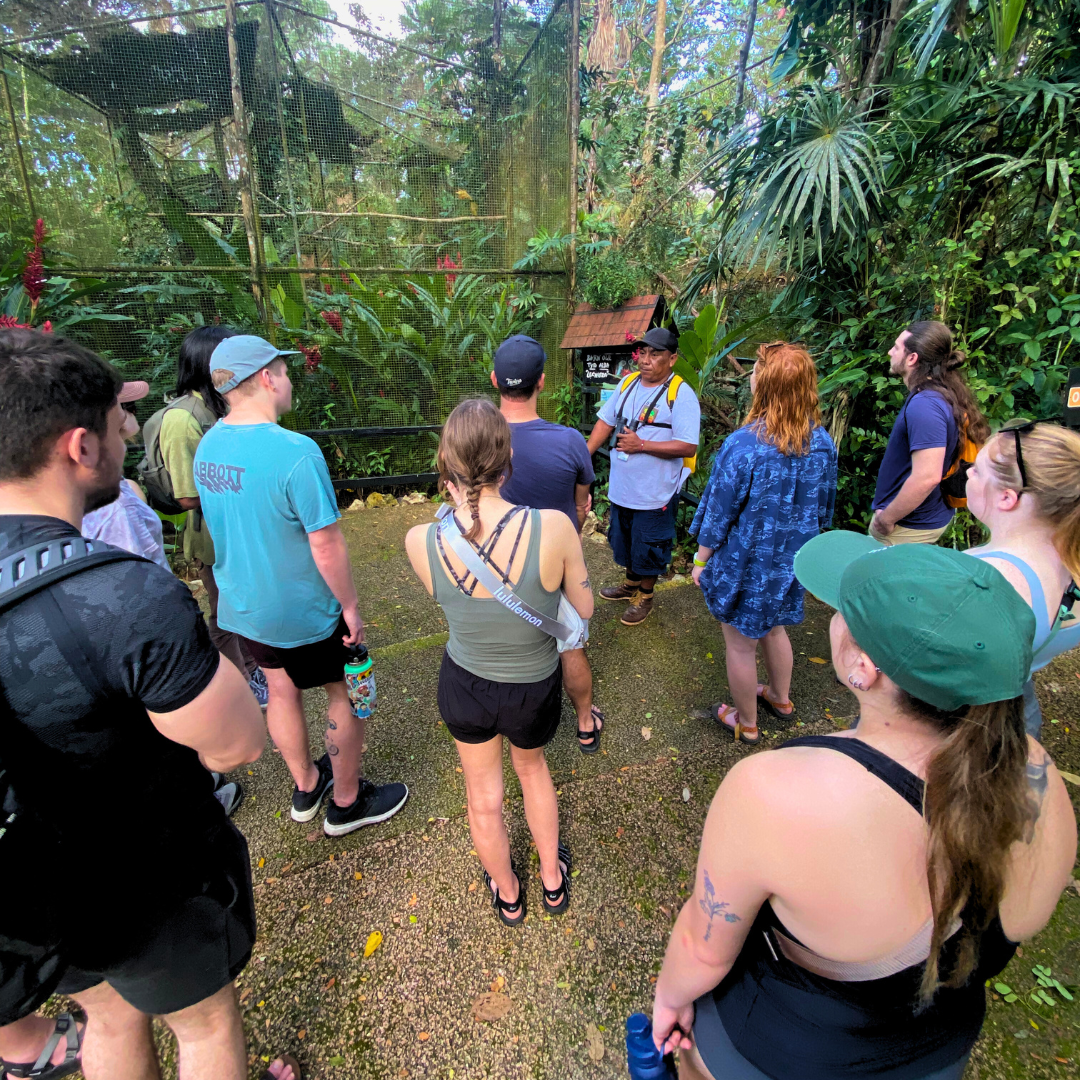
At Monkey Bay, Belize becomes a living classroom. We design customized experiential learning programmes for schools, universities, and other educational groups, combining academic study with hands-on exploration, cultural exchange, and adventure.
Students engage directly with Belize’s diverse ecosystems, communities, and cultural heritage—from tropical forests and ancient Maya sites to coastal environments and coral reefs. Each program is tailored to the group’s learning objectives, helping participants connect classroom concepts with meaningful real-world experiences while building curiosity, environmental awareness, and personal growth.
Community Outreach
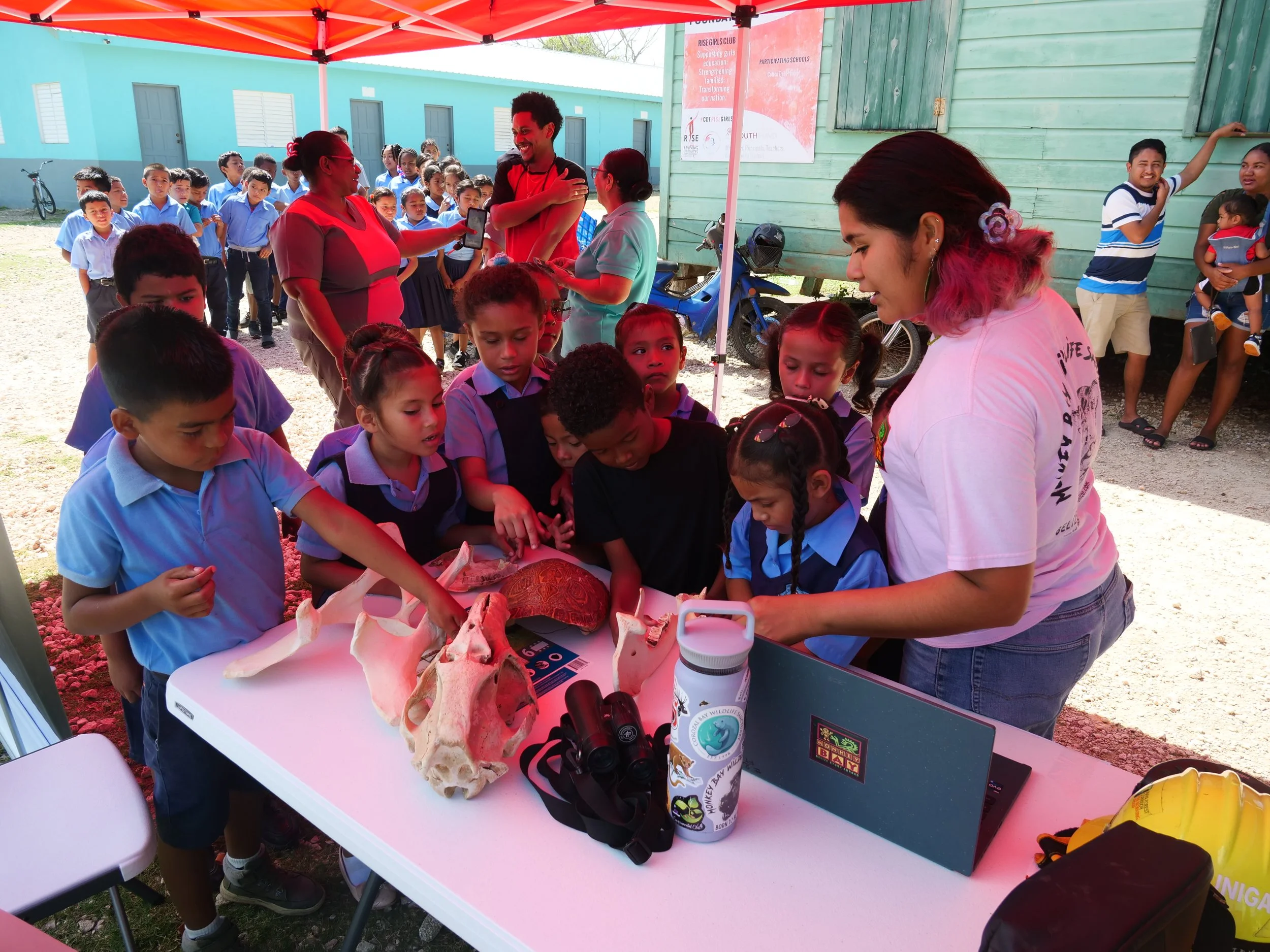
Community outreach is at the heart of Monkey Bay Wildlife Sanctuary's mission to conserve Belize's natural heritage through education, collaboration, and community engagement. By working closely with schools, local communities, and partner organizations, we strive to inspire environmental stewardship, build awareness of conservation challenges, and empower our local community members to play an active role in protecting the Maya Forest Corridor and its rich biodiversity. These efforts help create lasting connections between people and nature, ensuring a healthier environment for future generations.

Fire Management
Monkey Bay Wildlife Sanctuary supports wildfire prevention, preparedness, and response across Belize. In partnership with the Maya Forest Corridor Fire Working Group, we provide practical training in fire behavior, prevention, suppression, safety, and coordinated incident response.
We also conduct prescribed burns in savanna ecosystems to reduce hazardous fuel loads, support ecological health, and lower wildfire risk. With trained personnel, specialized equipment, and incident management experience, our fire management team contributes to national wildfire response efforts coordinated through the National Wildfire Task Force and NEMO.

Wildlife Monitoring and Protection
Our conservation work combines habitat protection with practical monitoring initiatives. Through our nest-box programme, we provide secure nesting opportunities for the Yellow-headed Amazon and monitor occupancy, breeding success, and threats such as habitat loss and poaching. We also use camera traps to document wildlife presence, activity, and distribution throughout the sanctuary, helping us better understand the species that depend on these habitats.
Protected Areas Management
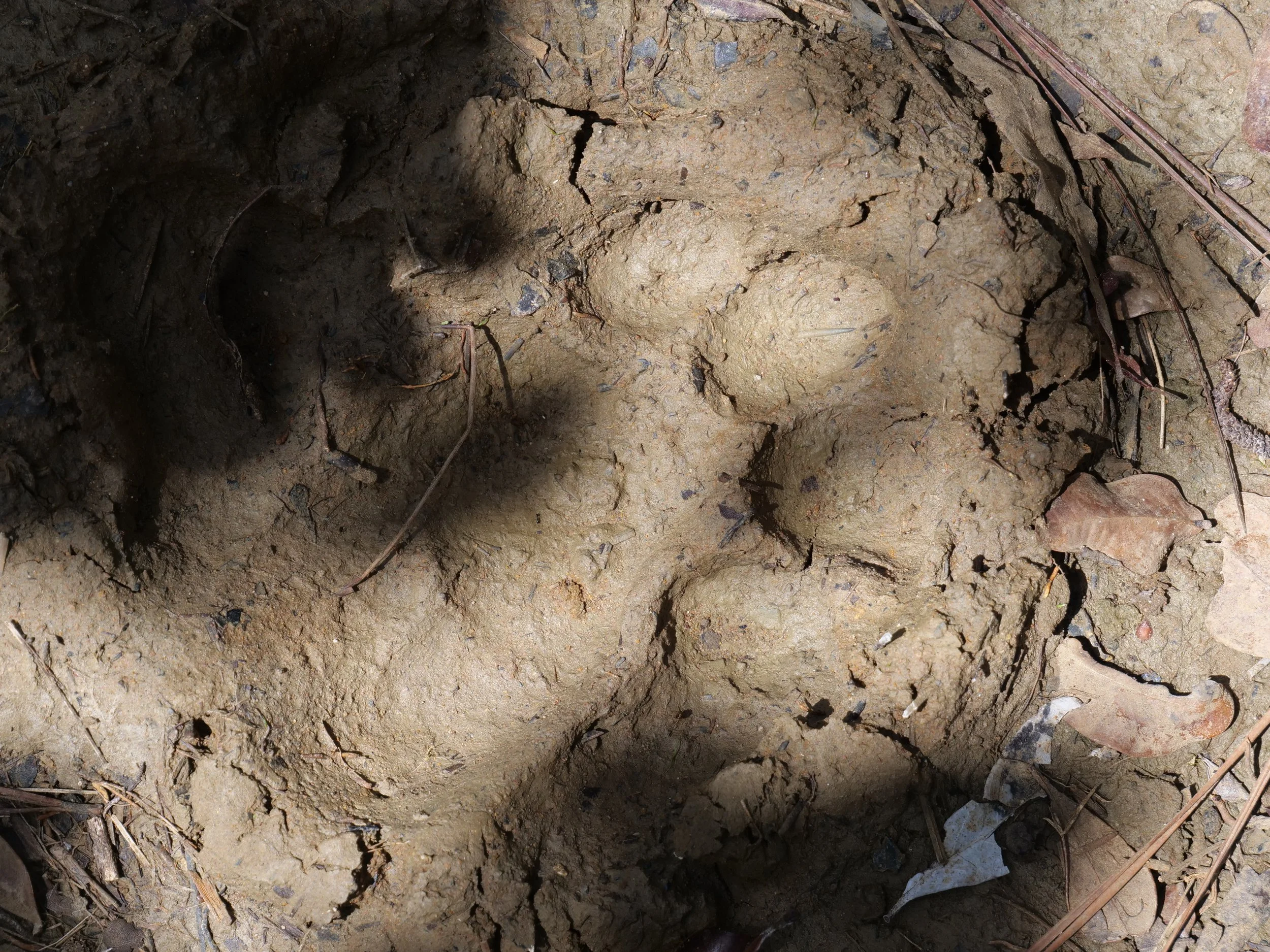
Monkey Bay Wildlife Sanctuary co-manages the Monkey Bay National Park. In doing so, our protected areas department conducts regular patrols within the national park and wildlife sanctuary to deter illegal activities such as illegal logging, hunting, poaching and squatting. Through wildfire management and reforestation projects, we ensure the longevity of the ecosystems that provide critical habitat for our target species in the protected areas.

Where does the name monkey Bay Come from?
The name Monkey Bay originates from when Belize was still a British Colony named “ British Honduras”. There were many logging camps in the country, and one of them was situated on the Sibun River where Monkey Bay Wildlife Sanctuary and Monkey Bay National Park share common river frontage. As we have adapted many of the British customs (except for driving on the wrong side of the road), we have kept the name given from Colonial days. The British name for a bend, or meander with a sand bar along the course of the river is called a “Bay". At this particular area of the Sibun River crossing there were troops of monkeys often observed resting overnight in a large Guanacaste Tree near the "Bay", hence the name “Monkey Bay”.
We are proud members of the following organizations


“Creation was not finished at the dawn of this earth, but creation continues, and we have a lot to do to make the world a better place.”